
Related videos:
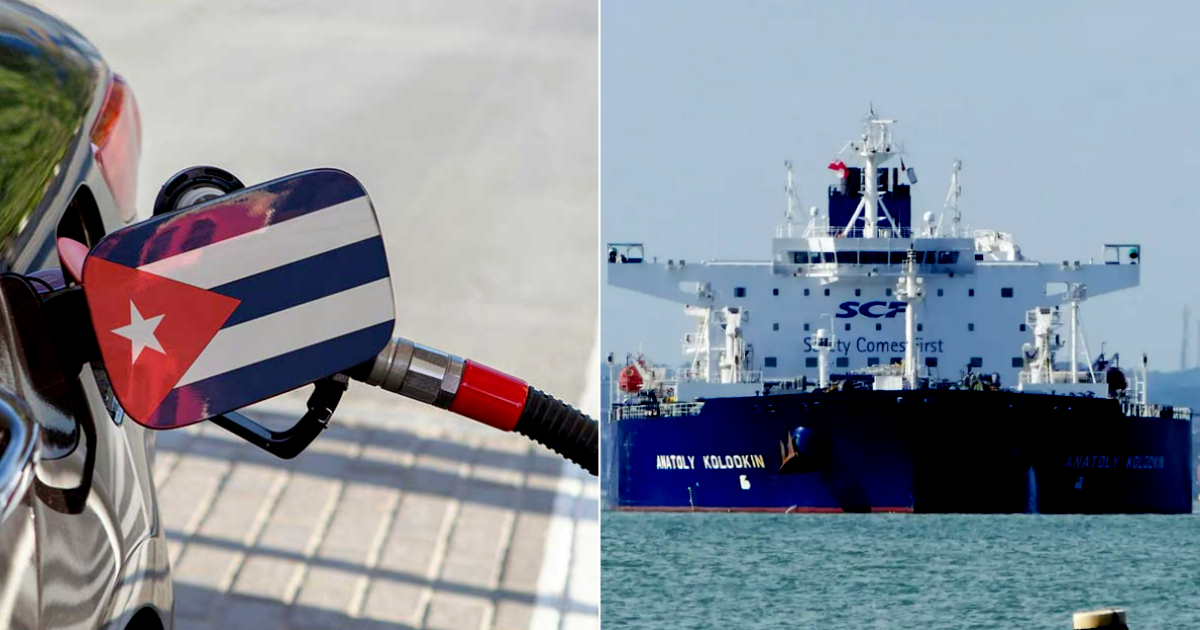
The Cuban regime receives immediate, but very limited, relief with the arrival of the Russian tanker ‘Anatoli Kolodkin’, loaded with about 730,000 barrels of crude oil.
The shipment, labeled as “humanitarian aid,” barely covers a fraction of the country's energy needs amid an unprecedented crisis.
Cuba requires under normal conditions between 90,000 and 110,000 barrels of fuel daily to sustain its electrical system and economy.
Of that total, approximately 55% to 65% is allocated to electricity generation, a sector that is highly dependent on fuel oil and diesel, and is impacted by the deterioration of its thermoelectric plants.
In that context, the Russian shipment will primarily aim to reduce the energy deficit, which exceeded 2,000 megawatts in March and caused blackouts of over 30 hours in several regions.
However, the impact will be temporary: the volume received is equivalent to approximately 7 to 10 days of total consumption for the country.
In practice, by prioritizing electricity generation, the supply could translate into a partial relief from blackouts for a week or two.
Moreover, after the refining process, only a portion of the crude oil can be transformed into usable fuels like diesel, which further limits its actual reach.
Other key sectors—such as transportation, agriculture, and food distribution—also rely on fuel, but will continue to operate under strict restrictions. Diesel, which is essential for these areas, is one of the most scarce products on the island.
The arrival of the 'Anatoli Kolodkin' comes after almost three months without stable supplies, following the interruption of shipments from Venezuela and Mexico.
This dependence on timely shipments highlights the structural fragility of the Cuban energy system, which is unable to ensure a consistent supply.
In short, Russian oil allows the regime to buy time and temporarily alleviate the social pressure caused by blackouts, but it does not solve the chronic fuel deficit.
Without a steady flow of supplies, the energy crisis—and its impact on the daily lives of Cubans—will continue to worsen.
Filed under: