
Related videos:
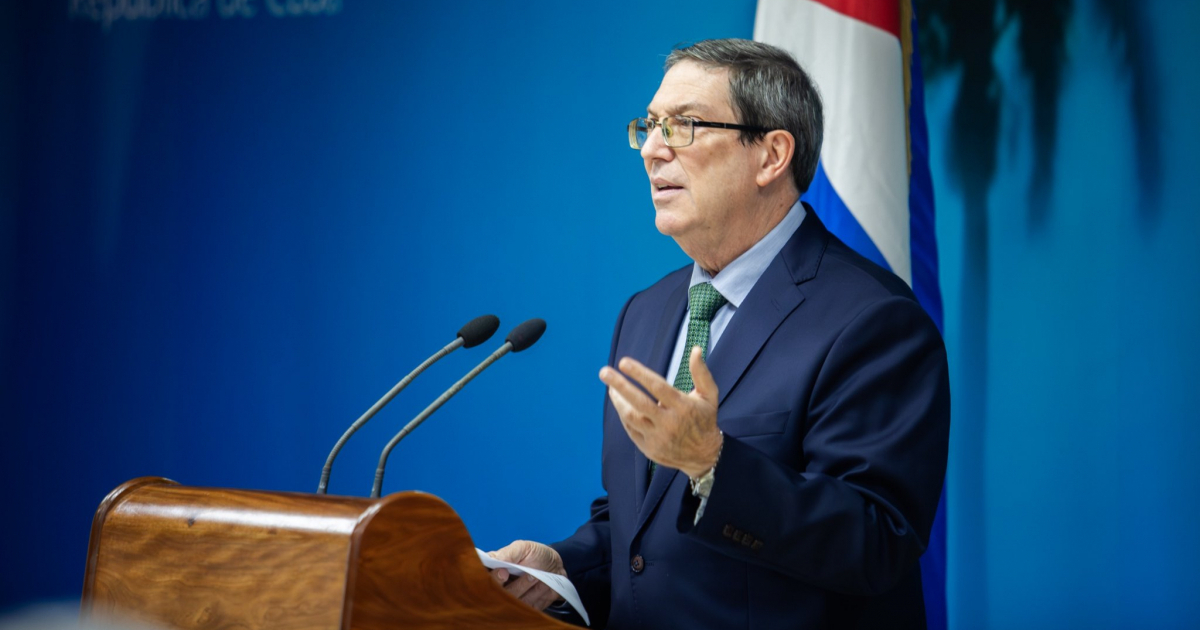
The Cuban Foreign Minister Bruno Rodríguez Parrilla took advantage of the 63rd anniversary of the start of Cuban medical collaboration this Saturday to accuse the U.S. government of "manipulating the solidarity and humanitarian work" of the island's cooperators and of threatening the recipient countries.
In a message posted on his X account, Rodríguez defended the program as "a demonstration of solidarity with social justice and the health of the world's peoples" and reiterated that Cuba will maintain its international medical cooperation despite pressures from Washington.
"Since the first mission in Algeria, 605,000 doctors and healthcare professionals from Cuba have provided medical care and trained health professionals in communities that have needed it most in 165 countries," wrote the Minister of Foreign Affairs.
The first Cuban medical brigade departed for Algeria on May 23, 1963, just a year after the independence of that country, in response to the severe shortage of healthcare personnel it was facing. The mission consisted of 53 professionals —29 doctors, four dentists, 14 nurses, and seven health technicians— and returned to Cuba on July 23, 1965.
The chancellor's statements come in the context of growing U.S. pressure on the countries receiving Cuban doctors. In February 2025, Secretary of State Marco Rubio announced visa restrictions against Cuban and foreign officials associated with the program, which Washington describes as "forced labor" and "human trafficking."
In June 2025, sanctions were extended to Central American officials for their involvement in hiring Cuban doctors, and in August of that year Washington expanded immigration restrictions to officials from Cuba, Africa, and Grenada, as well as to Brazilian officials and former executives of the Pan American Health Organization due to the Mais Médicos program.
One of the most visible effects of this pressure was the cancellation of the medical cooperation agreement between Jamaica and Cuba. Jamaica announced in March that it would not renew the agreement, which had been in effect since 1976, and on the 27th of that same month the 277 professionals from the Cuban medical brigade returned to the island, bringing an end to nearly five decades of healthcare cooperation.
The United States Embassy in Havana publicly praised that decision, while Jamaica detailed irregularities found in the program, including the lack of direct payments to doctors and the confiscation of passports.
The program has also been criticized by Cuban doctors and independent organizations, which denounce abusive working conditions and political control over the cooperants—claims that stand in stark contrast to the official narrative of the regime, which portrays the missions as acts of selfless solidarity.
Rodríguez concluded his message with a statement of principles: "We reiterate our commitment to maintaining our medical cooperation and supporting those who advocate for health as a right for all people."
Filed under: