
Related videos:
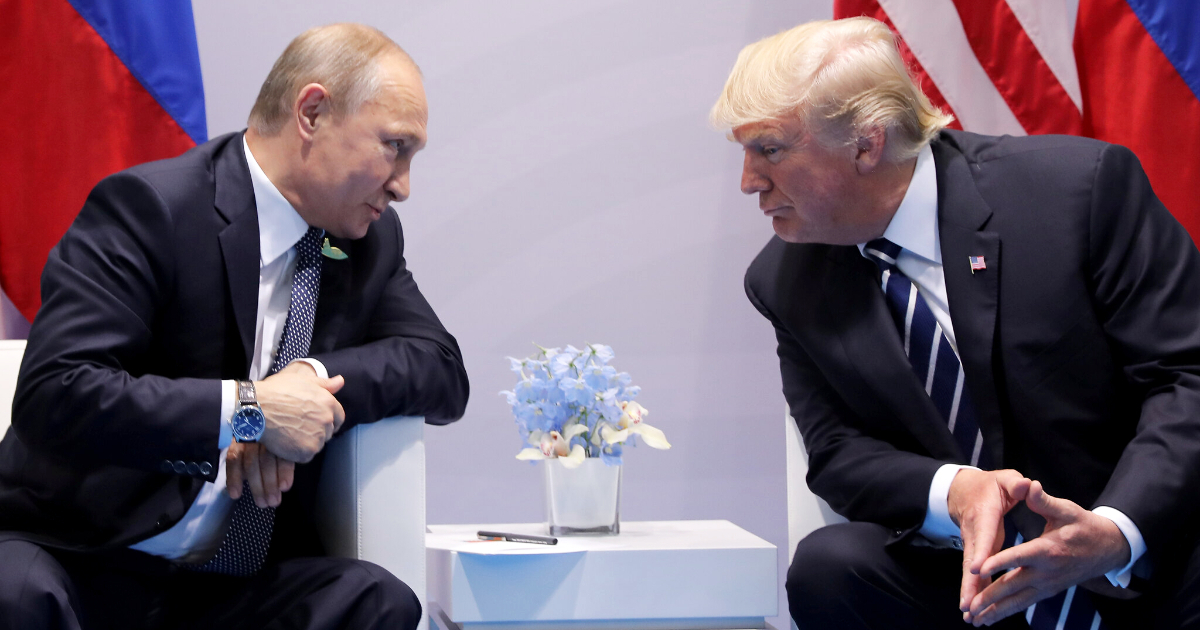
The Russian Deputy Foreign Minister Serguéi Riabkov confirmed this Monday that Cuba is a topic of discussion in the bilateral contacts between Moscow and Washington, warning that the approaches of both powers on this matter "differ radically".
"The issue of the pressure exerted by Washington on Cuba is present in our contacts with the Americans," Riabkov stated during the inauguration ceremony of the photographic exhibition "Always Towards Victory" in Moscow, as reported by the Interfax agency.
The diplomat emphasized that Russia cannot remain aloof from the Cuban situation.
"We are aware of all the circumstances in which Cuba finds itself as a result of the illegal U.S. blockade and the increasing pressure; we cannot remain indifferent to this," he stated.
In the same event, Riabkov detailed that Moscow and Havana are developing and implementing joint projects in energy, metallurgy, transportation, agriculture, biopharmaceuticals, biotechnology, information technology, and education.
The deputy foreign minister also announced that both countries are preparing contacts on the sidelines of the St. Petersburg International Economic Forum, indicating a deepening of bilateral cooperation in the short term.
The statements come at a time of maximum pressure from the Trump administration on the Cuban regime.
Since January, Washington has imposed over 240 sanctions against Cuba, including measures against the military conglomerate GAESA and restrictions on oil supplies, as well as reinstating the island on the list of state sponsors of terrorism.
In parallel, the Russia-Cuba alliance has been institutionally strengthened. Putin formalized in October 2025 the military cooperation agreement between the two countries, previously ratified by the Russian Duma.
In May, the Russian Federal Service for Military-Technical Cooperation confirmed that it is negotiating new areas of collaboration with Havana.
This dynamic complicates the already stagnant dialogue between Cuba and the United States. At the end of May, Cuban Deputy Minister Josefina Vidal acknowledged that the channel with Washington “is open” but with “little progress”.
The Secretary of State Marco Rubio admitted that he also does not see significant progress in the negotiations.
Washington has demanded that the Cuban regime sever its security ties with Russia and China, close listening stations, and release political prisoners as a condition for advancing any bilateral agreement, which makes the Moscow-Havana relationship a central axis of the triangular diplomatic dispute.
The Russian Deputy Prime Minister Dmitry Chernyshenko also announced a special interest rate subsidy mechanism to finance Russian investments in Cuba, with a business provision exceeding 1 billion dollars in sectors such as electricity and agriculture, reinforcing Moscow's commitment to solidifying its presence on the island in the face of U.S. pressure.
Filed under: