The Russian Ministry of Foreign Affairs confirmed this Wednesday that Cuba is among the ten countries that have received humanitarian aid from Moscow since the beginning of 2026, at a time when the island is experiencing a deep crisis marked by blackouts, shortages of fuel, food, and medicine.
The confirmation was made in an official statement released on the occasion of World Humanitarian Day, signed by Kirill Logvinov, director of the Department of International Organizations of the Russian Foreign Ministry, and shared on Telegram.
"Since early 2026, Russia has provided humanitarian assistance to Burkina Faso, Venezuela, Iran, Kyrgyzstan, Laos, Lebanon, Mali, Palestine, Tajikistan, and Cuba," the statement noted, published on the ministry's official channels on Telegram and X.
The Russian Foreign Ministry did not specify the amount of aid allocated to each country nor did it detail the nature of all the shipments. However, the deliveries made to Cuba in recent months highlight the increasing significance of Russian assistance amid the economic and energy decline of the island.
Oil, medications, and food
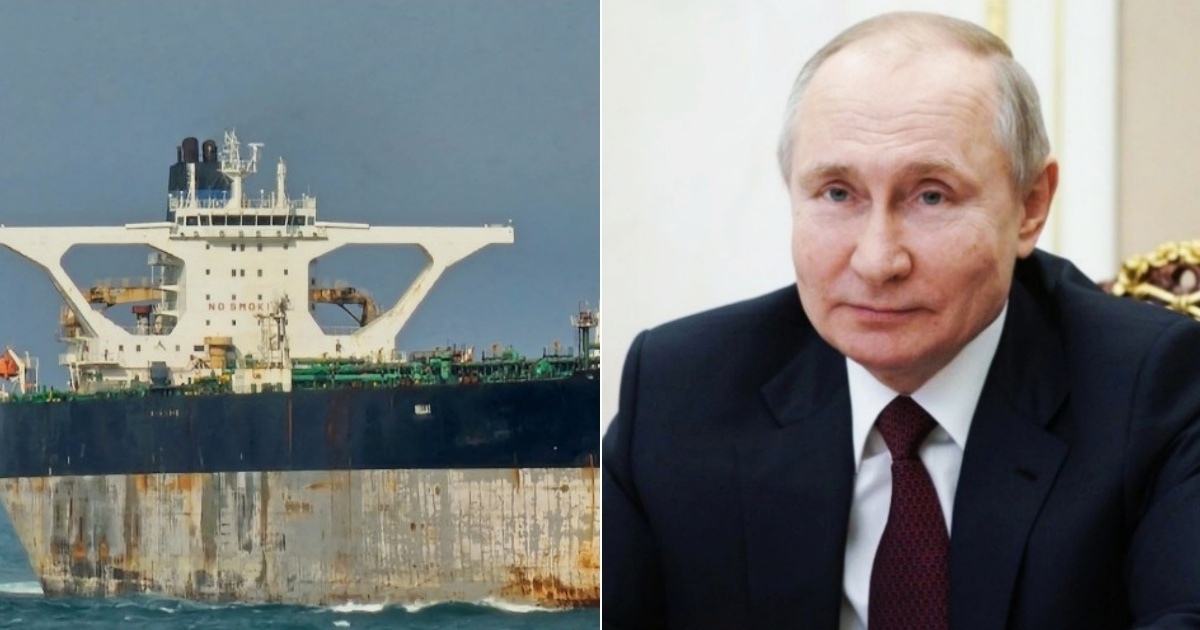
The largest known shipment to date was the tanker Anatoly Kolodkin, which arrived at the port of Matanzas on March 31 with approximately 100,000 metric tons of Ural crude oil.
Moscow officially presented the shipment as humanitarian aid for Cuba, at a time when fuel shortages and insufficient power generation are keeping the country under a severe energy crisis.
The political importance that Russia attributed to that operation was reflected months later. In August, according to media from the Eurasian country, Russian President Vladimir Putin officially recognized the crew of the Anatoly Kolodkin for their "high professionalism" displayed during the humanitarian mission that brought Russian oil to Cuba.
Oil has not been the only assistance sent from Russia.
In April, Saint Petersburg donated a batch of 35 medications to partially alleviate the severe shortage faced by pharmacies and health centers in Cuba. Among the delivered products were paracetamol, omeprazole, sodium heparin, and ibuprofen.
This Tuesday, just one day before the statement from the Russian Ministry of Foreign Affairs, a delegation from the Civic Chamber of Russia delivered to the Cuban Institute of Friendship with the Peoples (ICAP) in Havana, another donation consisting of food, flashlights, USB drives, and first aid kits.
These shipments are complemented by financial support routed through international organizations.
In July, Moscow announced to the United Nations a contribution of two million dollars to the World Food Program (WFP) to finance humanitarian projects in Cuba during 2026. According to Russian authorities, the country's contributions to these programs on the island have reached 20 million dollars since 2018.
Help amidst blackouts and shortages
The assistance arrives at a particularly critical moment for the Cuban population.
The deterioration of the National Electric System continues to create generation deficits that have reached between 1,900 and 2,100 MW, while in several provinces, power outages last almost 24 hours.
This is complemented by the repeated collapses of the electrical system, the fuel shortages that have forced the reduction of transportation and other activities, and the ongoing difficulties in accessing food and medicine.
In that context, shipments from Russia represent a new indication of just how much the Cuban government relies on the support of its allies to meet basic needs and sustain strategic sectors affected by the crisis.
Moscow turns aid into a political message
Russia also took advantage of the commemoration of World Humanitarian Day to accompany its donations with a political message aimed against the use of sanctions and other measures of international pressure.
Logvinov stated that Moscow "opposes the attempts of the global minority to turn humanitarian assistance into a tool of political pressure and interference in the internal affairs of sovereign states."
Although the official did not directly mention the United States in that excerpt, the statement aligns with the position maintained by Moscow regarding U.S. sanctions against Cuba and other governments allied with Russia.
Humanitarian aid thus becomes not only a material support for Havana, but also a part of the diplomatic dispute between Moscow and Washington, as well as other Western countries.
In June, Russia had already criticized the United Nations for the lack of support for an initiative to send ships with aid to Cuba, once again linking the humanitarian situation on the island to its criticism of sanctions.
While both governments strengthen their political, energy, and economic alliance, the succession of donations presents another picture of the magnitude of the Cuban crisis: oil, medicines, and basic food items arrive from Russia under the category of humanitarian aid to support needs that the country cannot meet on its own.
Related videos:
Filed under: