
Related videos:
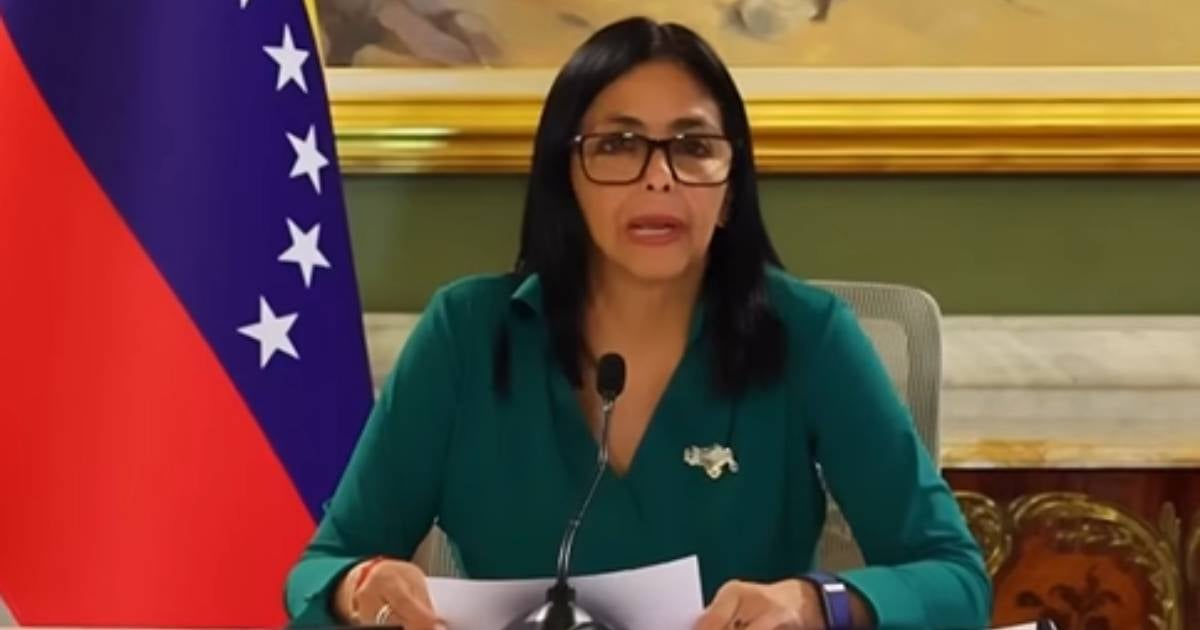
Recent analyses by the Central Intelligence Agency (CIA) have raised doubts about the willingness of Venezuela's interim president, Delcy Rodríguez, to fully comply with the demands of the Donald Trump administration, including severing ties with the main international allies of ousted Nicolás Maduro.
According to four sources cited by Reuters, intelligence reports are inconclusive regarding whether Rodríguez will comply with the U.S. directive to sever ties with countries such as Iran, China, and Russia, and even with Cuba, historically the strongest political and military supporter of the Chavista regime.
The report indicates that Rodríguez, whose swearing-in ceremony was witnessed by representatives from those nations, has not publicly announced the expulsion of diplomats or foreign advisors connected to those governments, despite pressure from Washington.
According to the consulted sources, the CIA director, John Ratcliffe, traveled to Caracas on January 15 to meet with Rodríguez and discuss the political future of the country, although internal reports do not clarify whether that meeting changed the intelligence agencies' perception.
U.S. officials consulted by Reuters stated that President Trump is maintaining his "maximum pressure" strategy on Venezuela and expects full cooperation from the interim government.
"The president continues to wield significant influence over Venezuelan leaders and hopes that this cooperation will persist," said a senior administration official on condition of anonymity.
Sources indicate that the White House is seeking for Rodríguez to definitively break with the regimes of Tehran, Moscow, and Beijing, which would open the possibility for new American investments in the Venezuelan energy sector.
However, keeping figures close to Maduro in power remains, according to analysts, a risk for Washington's credibility and political control during the transition.
Since assuming the interim presidency following Maduro's capture, Rodríguez has adopted conciliatory measures, including the release of political prisoners and authorization to sell between 30 and 50 million barrels of crude oil to the United States.
However, in a recent speech, he warned that he has had "quite enough" of American interventions, although he assured that he maintains "respectful" communication with the Trump administration.
Sources from the State Department confirmed to Reuters that the United States is not currently considering replacing Rodríguez, although it is engaging in parallel contacts with Venezuelan military leaders in light of a potential change in direction. In the internal debate within the White House, some advisors have mentioned opposition figure María Corina Machado as a long-term option for the country’s leadership.
Tensions between Caracas and Washington are rising as the interim president announced this Tuesday the unfreezing of Venezuelan assets in the United States, as a result of discussions held with President Donald Trump and Secretary of State Marco Rubio.
At the same time, the State Department notified Congress of its intention to move forward with the reopening of the U.S. embassy in Caracas, and Marco Rubio publicly warned that Washington "is prepared to use force" if the Venezuelan government does not cooperate with U.S. objectives.
Filed under: