
Related videos:
A correspondent from AP found a landscape of more blackouts, garbage, shortages, and destruction upon returning to Cuba three years after her last visit.
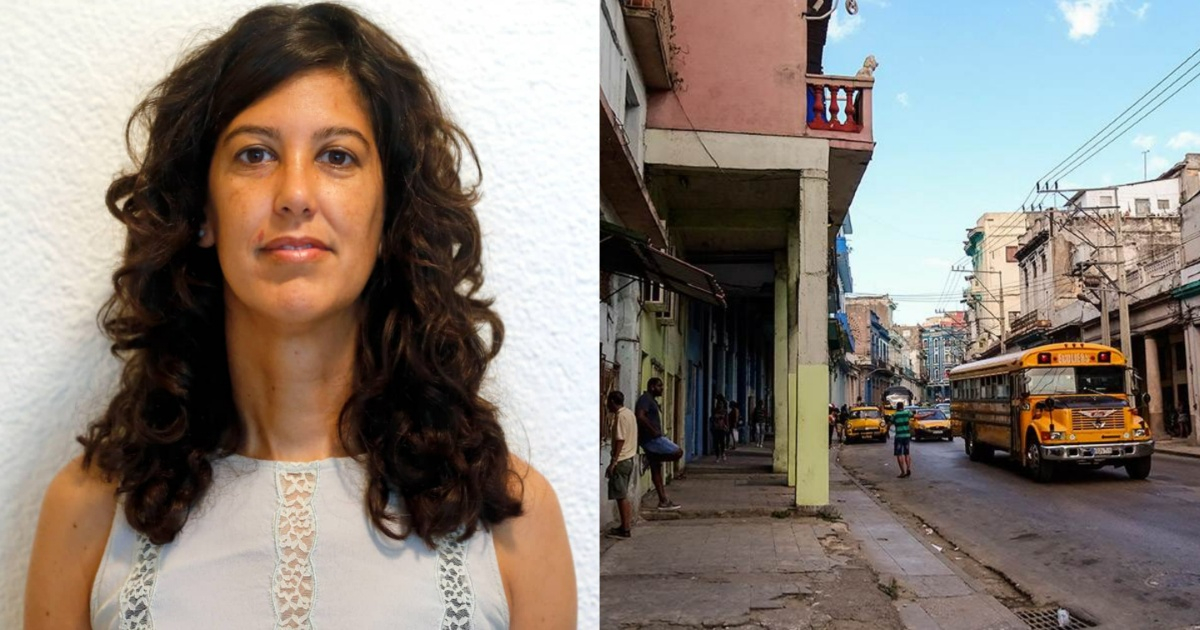
Dánica Coto, Caribbean correspondent for the agency, returned to Cuba at the end of January to confirm that the “landscape and life in Cuba are now very different.”
In an interview with her colleague, Associated Press editor Laura Martínez said she is "struck by the amount of trash that accumulates in the corners of the most popular tourist spots, and the occasional Cuban in well-pressed clothing rummaging through it."
Coto recounted with astonishment that he saw "a neat man dive into a pile of soaked trash, grab a small plastic container, search for the lid, and leave with his find."
He also mentioned that "fuel is hard to obtain and the machinery, including tractors and garbage trucks, is breaking down, and they cannot find the necessary spare parts."
Furthermore, "the beautiful architecture of Havana is crumbling more than ever. Once-brilliant facades, ranging from Baroque to Art Nouveau, are slowly being reduced to rubble in some areas."
To make matters worse, the correspondent painted a picture where "the horizon is now largely black, with chronic, scheduled, and unscheduled outages plunging the capital and beyond into darkness."
In contrast, the only positive aspect she observed in Havana three years later was a greater number of dog owners getting up early to walk their well-cared-for pets.
Coto confessed that what has impacted him the most on this new visit to the Cuban capital are the details, as they reveal the most.
"The upscale hotel where I am staying cuts fragile napkins in half to save resources and occasionally offers small amounts of butter when available," he shared
"Meanwhile, it is not uncommon for office buildings in Havana to run out of toilet paper and for the water to be cut off in the late afternoon. An increasing number of Cubans are turning to firewood and coal for cooking, because not only are power cuts frequent, but natural gas is not always available and many cannot afford solar panels," he added.
Coto stated that he saw people "hurrying to rearrange their schedules to spend several hours waiting in line to buy gasoline."
"I have also seen people crowded outside the banks, and some Cubans tell me that there is a cash shortage," he added.
The correspondent claims that in the island, fuel and natural gas are so scarce that "a group of people living in the city have set up an improvised chimney outside their building to cook food."
"Cubans have also told me that they have noticed an increase in communication interruptions, making it more difficult to call people or browse the internet," he concluded.
The journalist stated that the Cubans she interviewed downplayed the recent events (the capture of Maduro and the oil blockade announced by Trump) and that those who "can afford it are installing solar panels, while others are growing their own produce."
"They are very self-sufficient. Cubans have a strong spirit, and many lived through the so-called Special Period, an economic depression that hit in the 1990s after the collapse of the Soviet Union. That period eased when Venezuela, under former president Hugo Chávez, became an ally," he stated.
Filed under: