
Related videos:
Cubans today are experiencing a moment characterized by a mix of misery, uncertainty, and hope. For the Cuban intellectual Dagoberto Valdés, this combination creates a collective anguish that drives many to wish for any change, without pausing to consider whether all possible outcomes would truly be beneficial for the country.
In a recent reflection, Valdés warns about the danger of accepting solutions that promise stability but do not guarantee the freedom and participation of the Cubans themselves in decisions regarding the national future.
According to him, uncertainty increases when citizens do not participate in designing the paths of change, nor in selecting the protagonists, methods, or strategies that could define the island's future.
The analyst recalls that a similar situation occurred in 1898, when the mambises, who had fought for decades for Cuba's independence, were sidelined in the process that ultimately led to the end of Spanish rule. In his view, repeating a scenario where Cubans do not participate in crucial decisions would be “neither ethical, nor logical, nor political.”
Valdés insists that Cubans, both on the island and abroad, must be actively involved in any process of national transformation. However, he warns that currently many decisions seem to be made "from on high," whether within the regime itself or in the U.S. government and international spheres, while the population waits in silence, lacking information and real participation.
In this context, the author presents several dilemmas that have shaped the discussion about the future of Cuba: stability or democracy, control of migration or freedom for nations, economic reforms or political changes.
For Valdés, prioritizing only stability, reducing migration flows, or economic reforms would be a serious mistake if those objectives are not accompanied by political freedoms and democratization.
"Stability without democracy is a fraud," states the author, who also emphasizes that economic reforms alone do not guarantee stability or lasting progress. Economic development without political freedoms does not address the fundamental demands of citizens.
Valdés argues that the processes of change in Cuba must integrate political freedom, civic responsibility, democracy, and economic development. Only the combination of these elements will enable the construction of real and lasting stability for both the nation and the region.
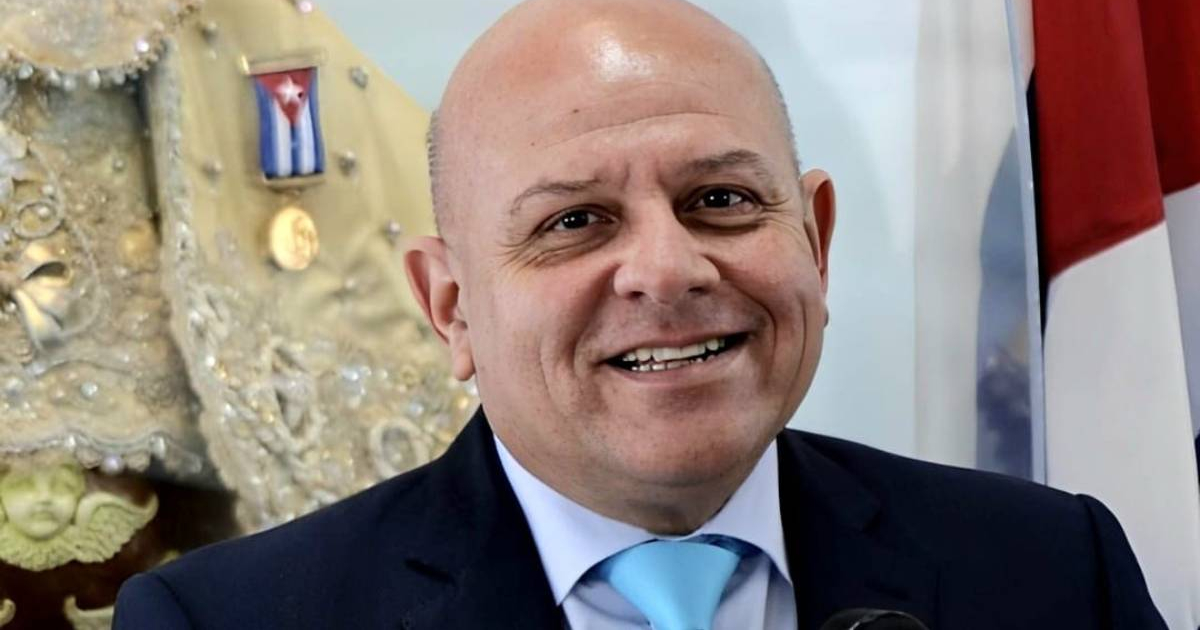
Dagoberto Valdés Hernández (Pinar del Río, 1955) is a Cuban intellectual and civic analyst. Trained as an agricultural engineer, he holds a PhD in Humanities and a master's degree in Social Sciences from the Francisco de Vitoria University in Madrid.
He was the director of the Catholic magazine Vitral and is the founder and director of the Convivencia Studies Center and the magazine Convivencia, spaces dedicated to analyzing Cuban reality and promoting citizen participation and democracy.
Filed under: