
Related videos:
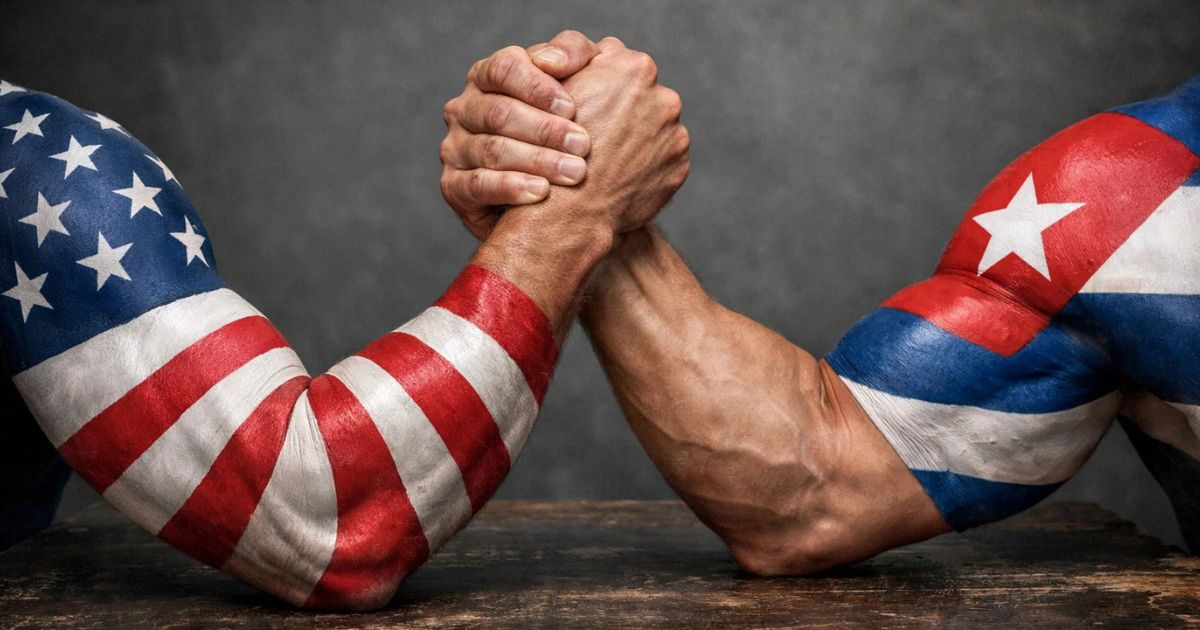
The United States and Cuba have resumed dialogue more than a decade after the historic rapprochement initiated by former President Barack Obama in 2014, which has reignited the debate about the possibility of a new thaw between the two countries.
According to a report published by the Spanish newspaper El País, the current political context has reopened the door to discussions between Washington and Havana, following years of tension and the freezing of relations during Donald Trump's first term.
The article points out that Secretary of State Marco Rubio recently surprised many by stating that the fundamental problem of Cuba is its economy.
These signals partly recall the engagement approach promoted by the Obama administration, which was based on economic openness and strengthening the private sector in Cuba.
During that period, Washington eased restrictions on travel, remittances, and financial transactions with the island, while Havana released 53 prisoners and allowed for greater expansion of internet access.
However, the Cuban government wasted that opportunity, as progress in human rights and political openness was limited.
The rapprochement between both countries was short-lived. In 2017, during his first presidency, Trump announced the end of the process initiated by Obama and again tightened policies towards Havana.
Now, according to El País, the recent signs of dialogue have generated expectations as well as doubts within the Cuban community, both on the island and in exile.
Some sectors believe that any negotiation should include the release of political prisoners and concrete advances in human rights, while others fear that the regime will gain concessions without implementing significant political changes.
Experts cited by the newspaper indicate that the current context is very different from that of 2014.
Cuba is facing a deep economic crisis, characterized by shortages, inflation, and a massive migration exodus in recent years.
In this scenario, some analysts believe that Washington may be seeking a more pragmatic strategy to encourage changes in the island without provoking a collapse that could lead to a humanitarian crisis or a new wave of migration to the United States.
Meanwhile, sectors of the Cuban opposition insist that any negotiation process must include civil society and aim for a democratic transition.
"The change must be led by the Cubans," stated Manuel Cuesta Morúa, an opposition leader and president of the Council for Transition in Cuba, as quoted in the report while discussing the role that citizens should play in any process of transformation in the country.
Filed under: