
Related videos:
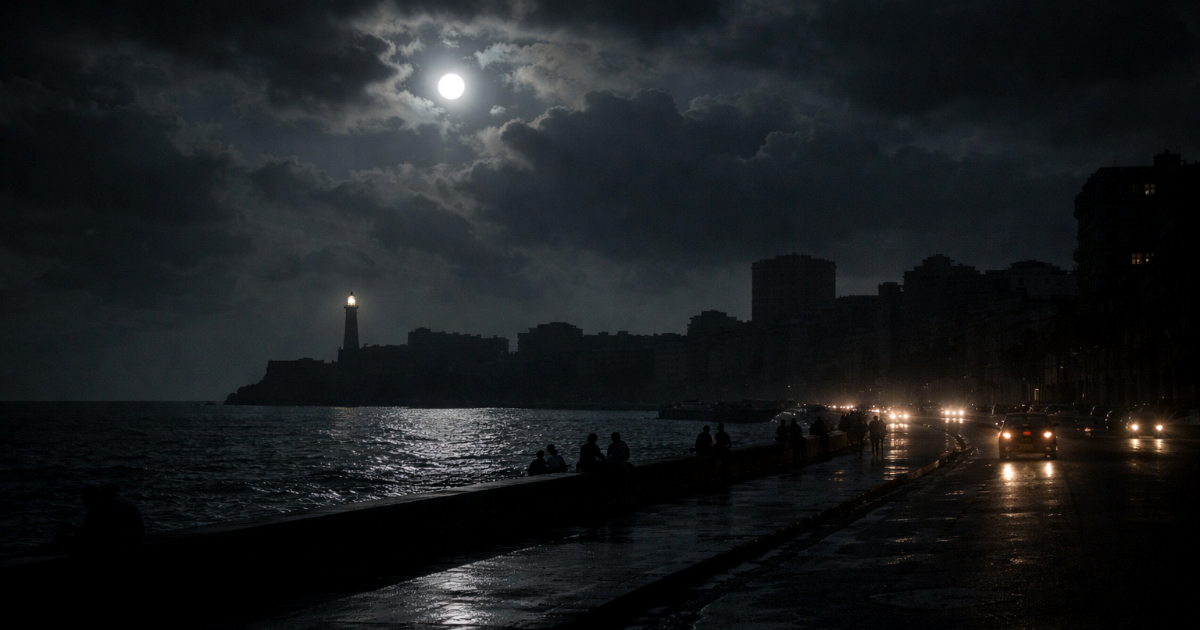
The Cuban capital remains largely without electricity following the new general blackout that impacted the entire island.
The collapse of the National Electric System (SEN), recorded this Saturday afternoon, is the second in just a few days and reflects the structural crisis facing the Cuban electrical system.
According to the Electric Company of Havana (EELH), by 6:00 a.m. today, seven substations and seven distribution circuits had been restored, benefiting 72,638 customers, which represents only 8.4% of the city, with a contribution of 42.53 MW.
Essential services in hospitals continue at five health centers, while water supply has yet to be resumed in any area.
The EELH warned that the recovery will take place gradually, “as the conditions of the SEN allow,” and urged citizens to stay informed through official channels and the 18888 service.
This new collapse is part of a prolonged crisis in the SEN, characterized by aging thermoelectric plants, lack of maintenance, recurrent breakdowns, and shortages of key fuels such as diesel and fuel oil. These limitations mean that any specific failure can lead to a total blackout, as occurred recently.
Users and experts agree that total collapses and daily blackouts have become a part of everyday life, affecting basic services, hospitals, water supply, and food.
The situation has increased social unrest and sparked protests in neighborhoods of Havana and other provinces, where citizens express their frustration over prolonged blackouts and the lack of clear information regarding the restoration of services.
In Havana, more than 90% of the population remains without electricity, while the rest benefits from a partial restoration, reflecting the fragility of the system and the difficulty of normalizing the service in a sustained manner.
Filed under: