
Related videos:
Amidst endless blackouts, scarcity, and an increasing sense of fatigue, one question echoes in the darkness of thousands of Cuban homes: when did everything fall apart?
That question, which is now a part of daily life on the island, has been taken up by an analysis published in the Spanish press, specifically by the Diario Córdoba, which aims to reconstruct the long journey that led from revolutionary enthusiasm to the current disenchantment.
The text does not indicate a single breaking point, but rather a succession of moments that gradually eroded the initial promises. From the early steps after 1959, when power began to concentrate in the hands of Fidel Castro and freedoms were restricted, to failed economic decisions and episodes of repression that marked generations.
For many, the disillusionment began early, with censorship and ideological control that made it clear there was no room for dissent. For others, the definitive blow came with the ten-million ton sugar harvest in 1970, a titanic effort that ended in failure and drained the nation. There are also those who point to the Mariel exodus in 1980 as an unequivocal sign that something had been irreparably broken.
The collapse of the Soviet Union in the 90s exacerbated the crisis and ushered in a period of survival marked by blackouts, hunger, and growing inequalities. The so-called “Special Period” left deep scars that, far from healing, seem to have reopened in present-day Cuba.
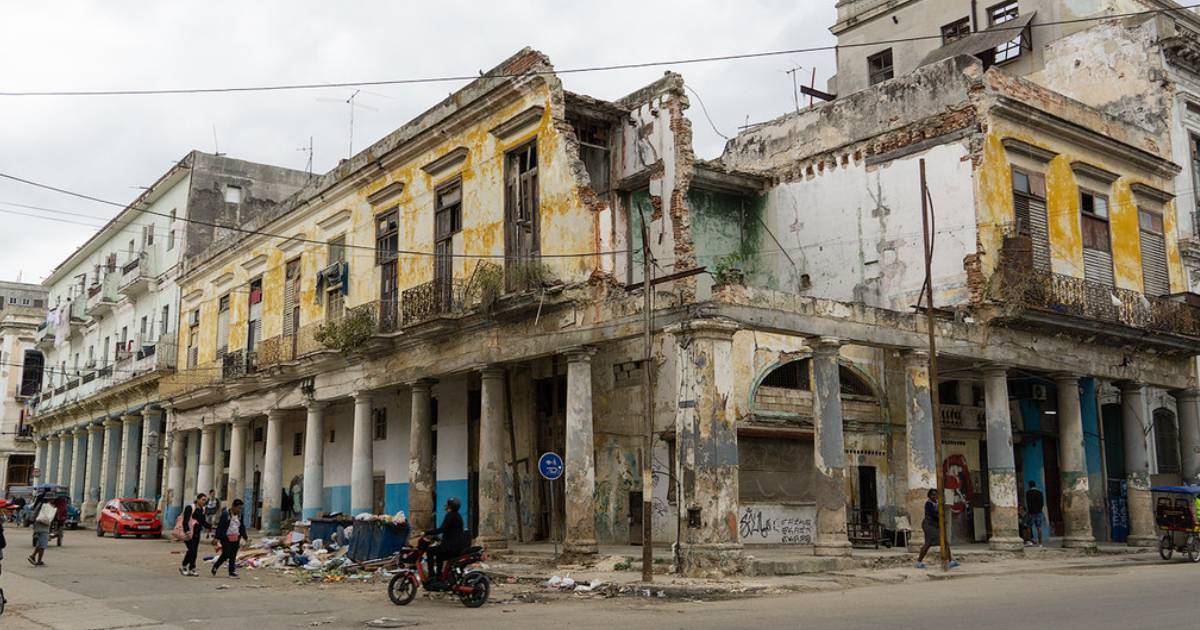
Today, the island once again experiences days of total darkness, with nationwide blackouts, hospitals lacking resources, and an economy that cannot sustain the basics. Frustration intertwines with exhaustion and a question that has become not just historical, but deeply personal.
The analysis also focuses on the current economic model, highlighting the concentration of power in business structures linked to the Armed Forces, which control a large portion of the formal economy. For some experts, this has led to a system where the promise of equality has been left behind, replaced by new inequalities and privileges.
Meanwhile, the official narrative continues to point to the United States embargo as the central cause of the crisis. However, even critical voices within the Cuban debate acknowledge that the problem is more profound and stems from decades of internal decisions.
More than six decades after that promise of "bread and freedom," many Cubans feel that both are in short supply. And although there is no consensus on the exact moment when everything changed, what seems clear is that the decline did not happen overnight, but rather accumulated over time, leading to the current reality.
Amid the uncertainty, the question lingers in the air —and in the darkness—: when did Cuba go to ruins?
Filed under: