
Related videos:
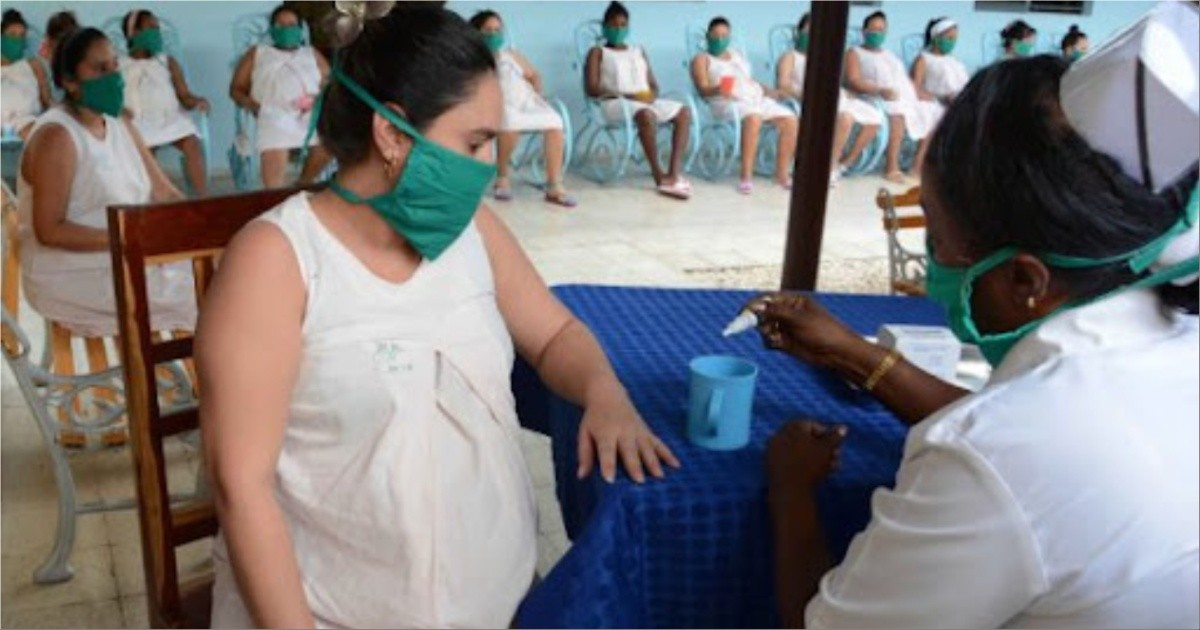
The state media Cubadebate published an article this Friday in which it attributes the shortage of medications and supplies affecting the care of high-risk pregnant women to the U.S. embargo at the Vladimir Ilich Lenin University Teaching Hospital in Holguín, the largest maternity center in Cuba.
The deputy director of the maternal-infant area of the hospital, Rubén Reynaldo Rojas, stated to the Cuban News Agency that "the availability of medications such as antibiotics and steroids, essential in this type of treatment, is very limited, and components used in surgery, including sutures, are also experiencing shortages."
Rojas added that "the surgical tables and equipment date back to the founding of the hospital 60 years ago with Soviet technology, and it has become almost impossible to replace them since the modern ones are of American origin." The executive also mentioned delays in the arrival of medical oxygen and the "siege" on individuals who are trying to contribute from abroad to the construction of a new maternity building.
The official narrative, however, clashes with a documented reality that the regime has partially acknowledged. In July 2025, the Minister of Public Health, José Ángel Portal Miranda, recognized an unprecedented structural crisis with barely 30% of medication coverage, and admitted to internal errors and deficiencies that have nothing to do with Washington.
Between August and November 2025, the same Hospital Lenin received multiple citizen complaints regarding infestations of bedbugs and cockroaches, restrooms without water, rotting food alongside patients, and a lack of stretchers. None of these complaints are related to the embargo. In August 2025, there was also a report of negligence in the hospital's blood bank: the incorrect delivery of donated blood to an 80-year-old patient. In November of that year, a viral video showed a patient being transferred in a regular chair due to the lack of stretchers.
A doctor from the very hospital summarized the situation with a phrase that the regime prefers to ignore: "I have had to betray my medical principles."
The objective indicators contradict the official propaganda. The infant mortality rate rose to 8.2 per 1,000 live births in the first half of 2025, compared to 7.4 in the same period of 2024, the highest level in 25 years. The maternal mortality rate increased to 56.3 per 100,000 live births by July 2025, nearly double the 37.4 from the previous year.
The argument regarding the embargo does not withstand scrutiny when examining the trade data. The sanctions include humanitarian exceptions for medications and medical equipment from the outset. Between 2022 and 2023, the United States approved medical exports to Cuba amounting to almost 900 million dollars, and from 2022 to 2024, licenses worth over 7 billion dollars were granted to companies in Miami-Dade that included medical supplies for the island.
Independent analysts attribute the collapse of Cuba's healthcare system primarily to state disinvestment, massive exodus of doctors, and institutional corruption, along with the political priorities of the regime. The crisis is not a result of the embargo; it is the outcome of 67 years of dictatorship that has turned hospitals, originally established with Soviet technology six decades ago, into traps for the most vulnerable patients, including high-risk pregnant women.
Filed under: