
Related videos:
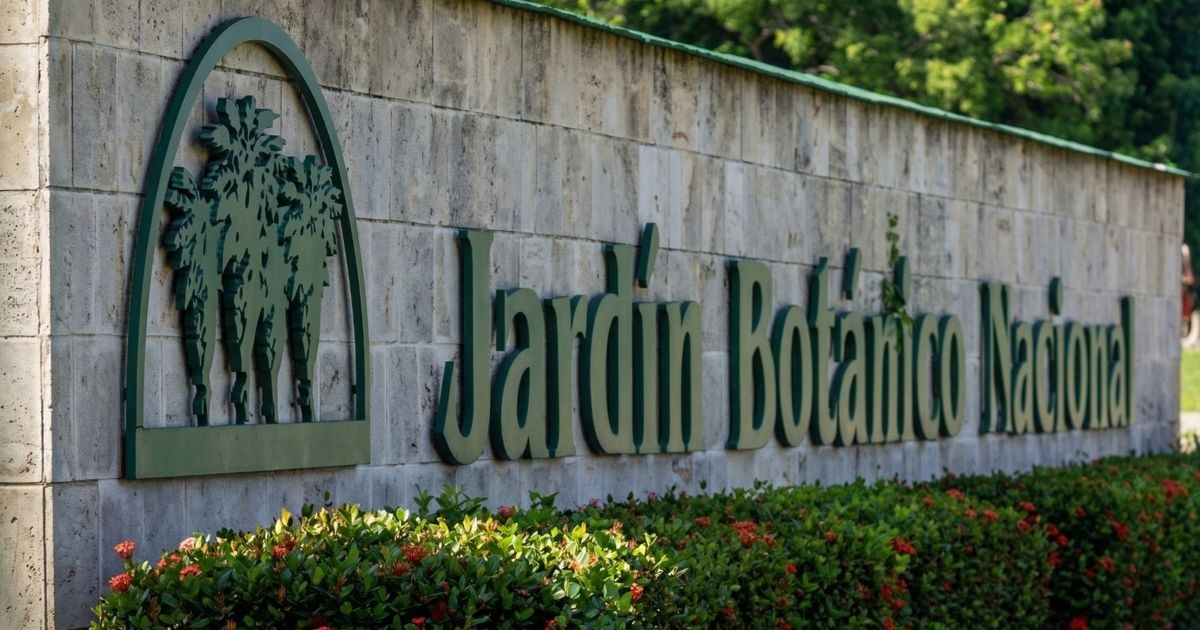
The National Botanical Garden of Cuba announced the closure of its doors "until further notice" due to the inability to receive the minimum necessary diesel to operate, according to an official statement published this Sunday on its social media.
The institution, affiliated with the University of Havana and one of the largest botanical gardens in the world, has approved in its economic plan 10,000 liters of diesel per month, mainly intended for tasks such as mowing, pruning, and waste removal.
None of those activities have been able to take place: they have been completely halted since February, the institution stated in a post made on its Facebook profile.
"As a result of the energy blockade against Cuba, this year we have been unable to receive the minimum fuel needed to ensure the maintenance of our collections, the transportation of personnel, the resolution of breakdowns, and other vital activities," the statement says.
The closure directly jeopardizes the approximately 4,000 living plant species housed in the garden, as well as a herbarium containing 100,000 specimens, spread over 500 to 600 hectares in the Arroyo Naranjo municipality of Havana.
The garden also includes the renowned Japanese Garden, inaugurated in 1989, and is one of the most significant scientific and cultural institutions on the island.
The last time the institution closed its doors was due to COVID-19; however, it reopened at the end of that same year.
Unprecedented energy crisis
The closure occurs in the context of the most serious energy crisis that Cuba has experienced in decades. Since late 2025, the island has lost its main sources of oil supply: Venezuela stopped regularly sending crude oil and Mexico suspended its shipments on January 9, 2026.
In the entire first quarter of 2026, Cuba only received two shipments of oil.
The electrical deficit reached up to 1,800 megawatts in March, while fuel in the informal market was priced at 18,000 pesos for three liters.
The queues at state gas stations in Havana reached between 7,000 and 15,000 vehicles, with only 50 to 90 being attended to each day.
The crisis has led to the closure of schools, universities, and hotels, the stoppage of public transportation and serious disruptions in hospitals and water supply systems across the island.
The Cuban regime attributes the situation to the "energy blockade" imposed by the United States, while analysts also point out the island's structural dependence on oil imports and the lack of energy diversification after decades of mismanagement.
The garden had already suffered damage from Hurricane Rafael at the end of 2024, with over 500 trees affected, which further exacerbates its current situation.
"In light of the inability to continue providing services under the current conditions, we are closing our doors until further notice," concludes the official statement from the institution.
Filed under: