
Related videos:
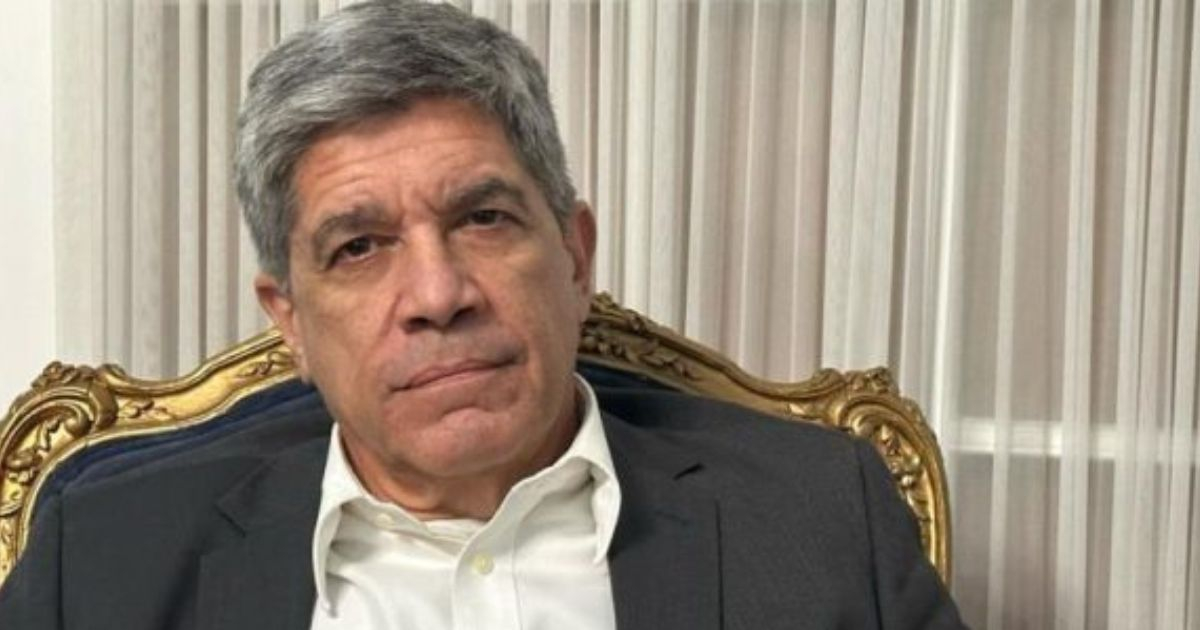
The Cuban Deputy Minister of Foreign Affairs, Carlos R. Fernández de Cossío, published a statement on social media this Thursday, directly challenging Washington to prove that the problems in Cuba are solely the responsibility of the government by lifting the energy sanctions it imposes on the island.
The diplomat argues that the fuel boycott imposed by the U.S. since January 29, 2026—combined with the policy in place since 2019 to increase the costs of oil supplies and the economic embargo since the 1960s—makes the importation of an essential resource for any economy practically impossible.
"It is known that the fuel boycott against Cuba imposed by the US since January 29, 2026, practically prevents the importation of such a necessary product," wrote Fernández de Cossío.
The deputy minister extended the argument on a global scale: "It is understood that no country, whether developed or developing, including the U.S., can operate and properly manage its economy if it is forced to do without fuels."
The statement concludes with a direct challenge to U.S. officials: "In light of such evident truths, American leaders and politicians have the audacity to publicly declare that the fundamental problems of the Cuban economy are the government's responsibility and that the country will fail on its own. They do not dare to support their claims by testing the alternative, which is to end the aggression and cease the extensive abuse against an entire people."
The immediate context is the executive order signed by Trump on January 29, which declared a national emergency and imposed tariffs on any country that sold oil to Cuba, cutting off Venezuelan and Iranian supplies and forcing Mexico to suspend shipments of up to 20,000 barrels per day that it was sending via Pemex.
Fernández de Cossío has become the most active voice of the regime regarding these measures. In February, hedescribed the energy sanctions as "mass punishment" and "a crime", and days later, he characterized the U.S. pressure as an "economic, commercial, and financial war" lasting more than six decades.
In March, the diplomat had already challenged the U.S. to allow the Cuban government to demonstrate its management capabilities without the burden of sanctions, a line of argument that he now reiterates with greater emphasis.
The response from Washington has been the opposite. Secretary of State Marco Rubio stated last Monday that economic reforms in Cuba are "impossible with these people in charge", arguing that change will only come with a change of government.
The congressman Mario Díaz-Balart has noted, for his part, that the law establishes three conditions for lifting the embargo: free elections, the release of political prisoners, and the dismantling of repression apparatuses, none of which are met by the regime.
The energy crisis underlying the debate has left Cuba with blackouts of more than 20 hours per day, a generation deficit of 1,900 MW, and an accumulated decline in GDP of 23% since 2019, according to data cited by the Cuban government itself.
Rubio has also explored discreet negotiation channels with Raúl Guillermo Rodríguez Castro, grandson of Raúl Castro, in search of potential transition scenarios, suggesting that Washington is considering alternatives beyond economic pressure while the regime continues to blame the embargo for all its ills.
Filed under: