
Related videos:
The Cuban regime escalated its rhetoric on Friday, labeling the United States' pressure on third countries to prevent them from exporting fuel to the island as a "crime" and "mass punishment," amid the worst energy crisis the country has faced in years.
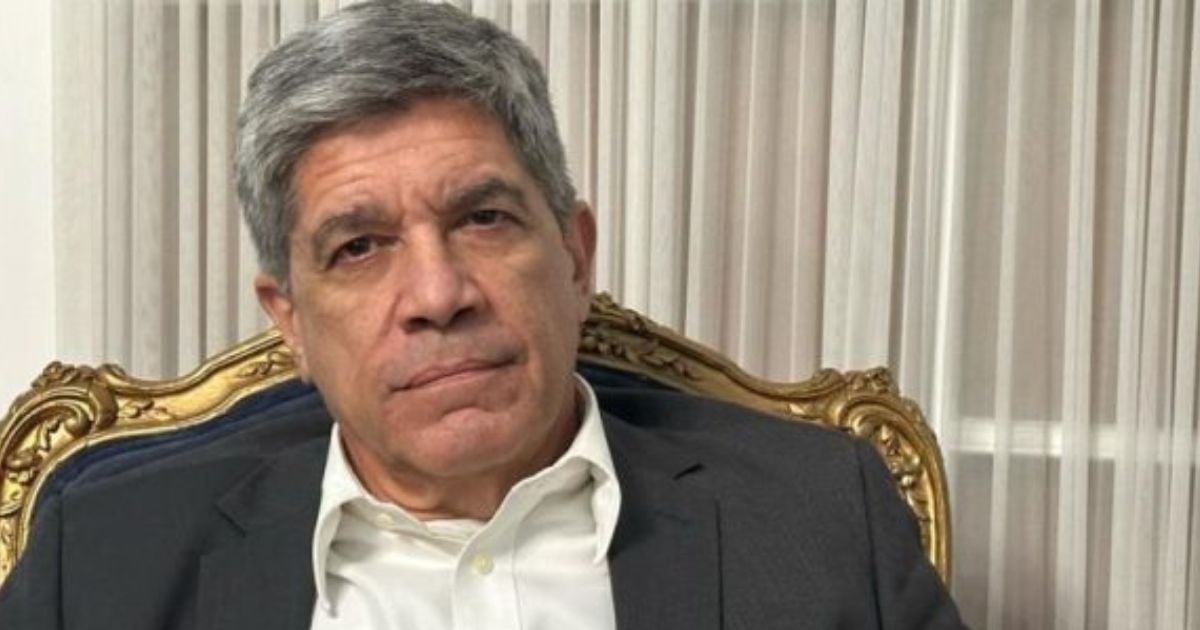
The Deputy Minister of Foreign Affairs, Carlos Fernández de Cossío, was emphatic on X when he stated that Cuba needs to import fuel; Washington is threatening and imposing coercive measures against any country that supplies it; the shortage of oil is impacting transportation, medical services, schools, and food production; and, in his words, “mass punishment is a crime.”
The message is part of a wider political offensive launched by the diplomat in recent weeks, in which he has become the primary international voice of the regime in response to the tightening of U.S. policy towards Havana.
From interviews with CNN to statements made to international media, Fernández de Cossío has insisted that the energy and economic crisis is not due to internal structural failures, but rather to what he describes as a "relentless aggression" from Washington. The renewed pressure on fuel supply — including threats of sanctions and tariffs against countries that export oil to Cuba — has been portrayed by the regime as a form of deliberate suffocation.
However, the official discourse arrives at a politically uncomfortable moment.
While denouncing a "mass punishment," the vice minister himself has acknowledged that there are "high-level exchanges of messages" between Havana and Washington, although he denies that there is a formal dialogue. At the same time, he insists that the regime is not willing to discuss its political system or constitutional model, even amid growing pressure.
Fuel has become the new epicenter of the bilateral pulse. The U.S. administration has toughened its stance and has labeled Cuba as an extraordinary threat due to its collaboration with hostile actors and intelligence capabilities, while seeking to cut off the funding and energy supply routes of the government.
The response from Havana has been to escalate the rhetoric. Fernández de Cossío has compared the measures to colonial practices and has insisted that the goal is to "suffocate" the population in order to force political change.
But the conflict is not limited to the diplomatic sphere. Fuel has today become the Achilles' heel of the Cuban system. Without oil, transportation comes to a standstill, blackouts worsen, and an already weakened economy is further hindered. External pressure reveals the internal structural fragility.
In this scenario, the deputy minister has become the public face of a communication strategy that seeks to shift all responsibility for the crisis to external factors, while denying any internal fractures or possibilities of transition.
Filed under: