
Related videos:
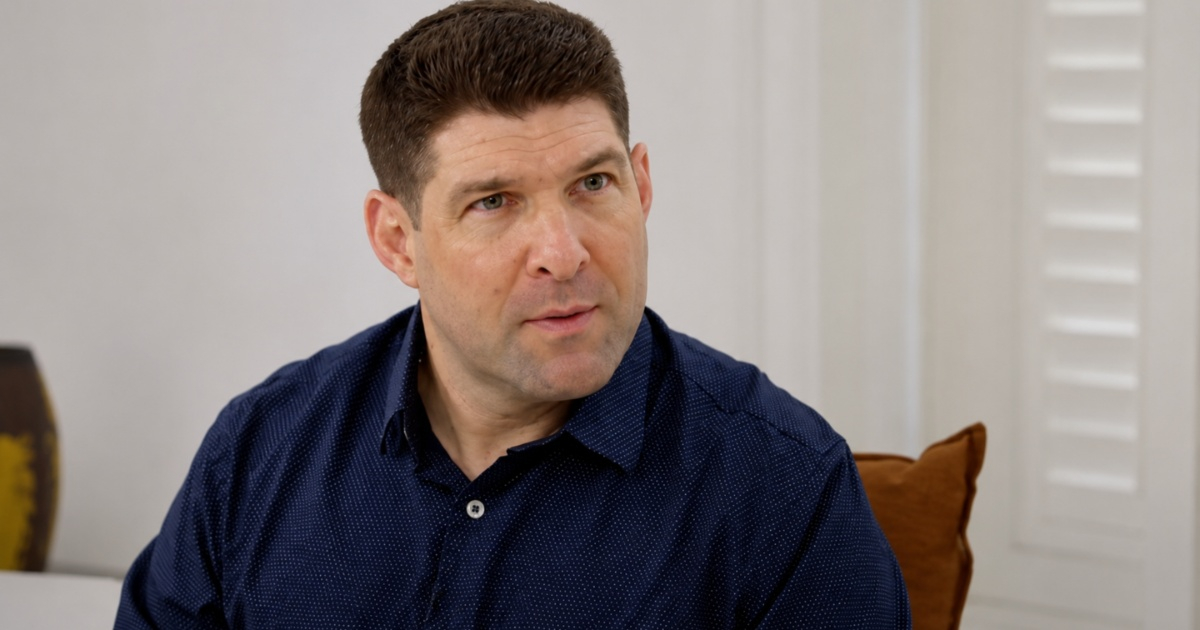
Raúl Guillermo Rodríguez Castro, the 42-year-old grandson of Raúl Castro known as "El Cangrejo," stated in his that Cuba would be willing, "under the right conditions," to release individuals considered political prisoners.
The statement was published on Monday by USA TODAY, which interviewed Rodríguez Castro for two days in June in Havana, in what the outlet described as the first time in seventy years that a member of the Castro family has granted a profile to the press.
Rodríguez Castro does not hold an official position in the Cuban government, but he is a colonel in the Ministry of the Interior and acts as the main informal communicator for the regime with Washington.
His words about political prisoners were accompanied by a warning that puts the offer into perspective: "Truth is not absolute," he said.
In April, the regime announced a pardon for 2,010 individuals, but Justicia 11J and Prisoners Defenders audited that no politically relevant prisoners were included, and that previous releases had been "selective and conditional."
In the same interview, El Cangrejo presented himself as the man willing to negotiate directly with Donald Trump on the future of the island: «I can negotiate with anyone appointed by the U.S. If given the opportunity, of course with Trump».
At the same time, he clearly defined his boundaries: “I have never been interested in politics. It has never been my calling. But if at any point the revolution needs me, I will do it,” emphasizing that he would never sacrifice the principles of the 1959 revolution or national sovereignty.
His profile contrasts with that revolutionary discourse: he wears Hugo Boss and Hermès, and made at least 23 private jet trips to Panama between 2024 and the end of 2025 for luxury shopping, while Cuba faces power outages of up to 25 hours daily in more than 55% of the territory.
«It hurts me that so many people cannot live like I do. It weighs on me how hard people struggle. And I work every day to change that situation,» he stated.
The Trump administration has imposed over 240 sanctions against Cuba since January 2026, reducing oil imports by 80% to 90%, with a projected GDP contraction of -6.5% for this year.
The CIA director, John Ratcliffe, met with El Cangrejo in Havana on May 14, marking the highest-ranking official from the Trump administration to step on Cuban soil since 2016, and conveyed a message conditioned on "fundamental changes."
In mid-June, El Cangrejo personally backed a fuel agreement with Vanguard Energy, a Florida company, to send 250,000 barrels to Cuba, but the White House blocked it at the last minute.
The State Department classified the package of 176 economic reforms presented by the regime on June 19 as “superficial smoke signals,” and on June 23, Rubio announced new sanctions against five entities linked to GAESA.
Ricardo Herrero, executive director of the Cuba Study Group, summarized the paradox surrounding El Cangrejo: "This administration has helped to create Raulito. It has achieved consensus among the different factions of the Cuban state in favor of a market opening. But that is not enough for those around Rubio, who want to see a political change, not just an economic one."
Marco Rubio was more direct before the House Foreign Affairs Committee in June: "I really don't believe this system can be reformed unless new people take control or a new mindset is imposed."
Filed under: