The Cuban regime assured in Russia that it has made progress towards "digital sovereignty" through the development of its own technologies, while on the island, power outages continue to disrupt access to the internet and essential electronic services.
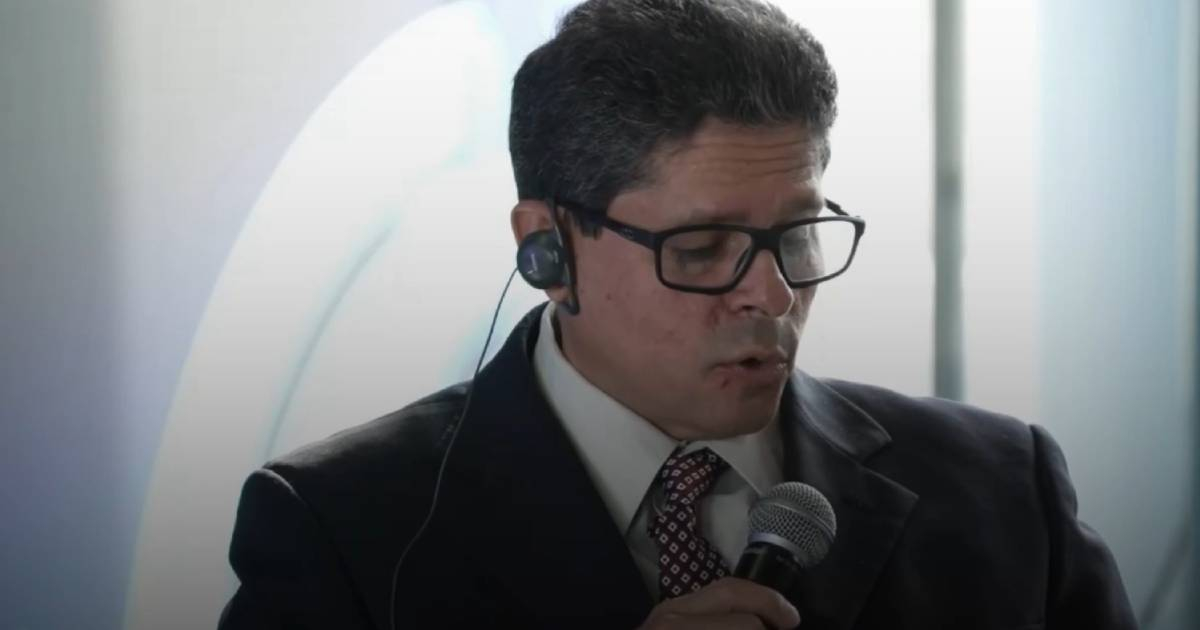
During the II Global Digital Forum, held in Moscow, the Deputy Minister of Communications, Pablo Julio Pla Feria, attributed the main difficulties for the country's technological development to the U.S. embargo, although he argued that those restrictions had also spurred the creation of national solutions.
According to the Russian agency TASS on October 9th, the official cited an example of a platform developed by the Digital Government Center of Cuba, which features over 300 administrative procedures and access to more than 400,000 registered services, based on the figures presented at the meeting.
During his intervention, Pla Feria also criticized the U.S. sanctions, which he described as "an illegal, inhumane, and extraterritorial policy." According to statements released by Sputnik Mundo, the official argued that Cuba had learned to develop its own technological solutions despite the challenges and stated that "technological sovereignty is forged through resistance and creativity."
The Soberanía platform, launched in July 2025, had only 18 services available for online management by the end of August 2026, despite having information on over 300 administrative procedures.
Thus, it was acknowledged by the authorities themselves during a visit by Miguel Díaz-Canel to the Digital Government Center, where more than 43,000 verified digital identities were also reported.
Additionally, Pla Feria also presented the Cuban artificial intelligence model CecilIA as an alternative to foreign technologies. According to Sputnik, the official defended its ability to preserve the cultural and linguistic identity of the country, under the premise that "those who lose their culture and historical memory lose their nation."
The project, developed by specialists from the University of Havana, had already been presented in 2025 and is part of the government strategy to reduce technological dependence from abroad.
On October 5th, just four days before the deputy minister's statements, ETECSA acknowledged interruptions in Nauta browsing and Transfermóvil due to power issues that rendered devices and technological systems out of service.
The state-owned company had also admitted in September that prolonged power outages cause disconnection of telecommunications facilities and limit their ability to expand the network, leaving communities without mobile coverage or internet access.
Despite these difficulties, Pla Feria argued in Russia that Cuba has managed to develop its own technologies in the face of external restrictions.
Related videos:
Filed under: