
Related videos:
Three of the main water supply systems in the city of Holguín are experiencing disruptions lasting several days, particularly the northern system, which suffers monthly interruptions due to power outages, which has left hundreds of families with distribution cycles of up to 107 days.
Despite the efforts of local authorities and companies to maintain the supply using two generators, these also fail due to excessive operational time and limited fuel availability, which does not meet their high demand. These are machines that consume 51 and 85 liters per hour, respectively, without the necessary physical support to sustain them.
According to a report from the official newspaper ¡Ahora!, the combined effect of the national energy crisis and the drought has reduced the inflow to the city from 1,189 to 880 liters per second, resulting in a deficit of 309 liters.
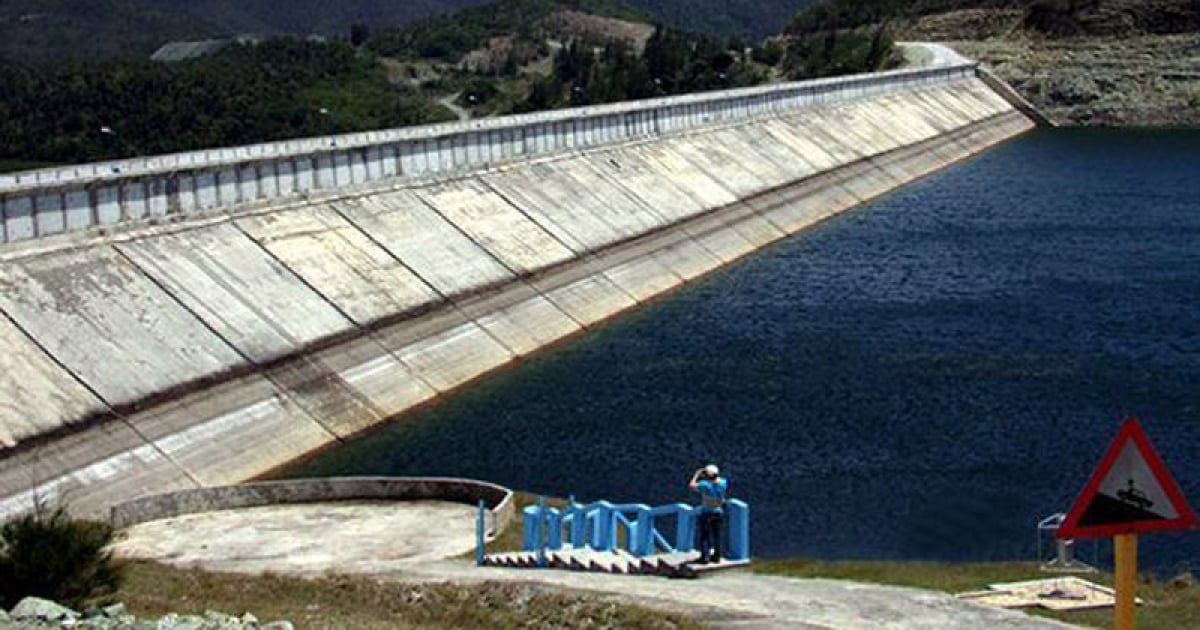
Although three of the 15 measures in the action plan to tackle the drought have been implemented, such as the installation of a new pump at the Guirabo dam and the re-pumping towards the east, the results still do not ensure a significant change.
The southern part of the city also suffers from deterioration. With a cycle of 31 days, the lack of functioning equipment prevents water from reaching higher areas such as the neighborhoods of Emilio Bárcenas, Ramón Quintana, and part of 26 de Julio. Repairs depend on the national entity responsible for the generators, which adds a layer of bureaucracy and delay to an already fragile situation.
Regarding the water supply through tankers, only 857 of the 6,000 liters of fuel released by the Government have been used, due once again to its limited physical availability. Meanwhile, communities in the northern system such as Alturas de Parera and Ramón Quintana are the only ones that have received this temporary relief, the media outlet reported.
According to George Ávila Mustelier, the general director of the Water and Sewer Company of Holguín, the promise to mobilize 12 tankers daily remains contingent on the arrival of fuel "which is already allocated on a card, with a daily assignment of 652 solely for this activity," and areas with greater impact will be prioritized.
Amid the shortages, the population continues to await structural solutions that do not rely on energy fluctuations or temporary fixes. Holguín is facing a water crisis exacerbated by a management that fails to break the cycle of continuous emergency.
In May, 39.4% of the residents in the province of Holguín, meaning more than 370,000 people, were affected by the water supply service due to a combination of a prolonged drought, frequent blackouts, and technical failures in the pumping systems.
The eastern territory recorded a 22% rainfall deficit on that date. According to a report from the Meteorological Center, 47.7% of the province is experiencing meteorological drought (which occurs when there is a prolonged period without rain or with precipitation levels accumulating below the average), particularly in Banes, Sagua de Tánamo, and Moa.
More than 500,000 people in Cuba are facing severe disruptions in the supply of drinking water. The situation is particularly critical in Santiago de Cuba, where water sources are only at 20% of their capacity.
More than 300,000 people in that province do not have access to water, an essential resource for daily life and basic hygiene, while several communities experience up to 21 days without service.
Frequently Asked Questions about the Water Crisis in Holguín
What is the current situation of the water supply in Holguín?
The water supply situation in Holguín is critical, with more than 370,000 people affected by a combination of prolonged drought, frequent blackouts, and technical failures in the pumping systems. Distribution cycles can extend up to 107 days in some areas.
What measures have been implemented to address the water crisis in Holguín?
So far, three of the 15 measures in the action plan have been implemented, including the installation of a new pump at the Guirabo dam and the pumping towards the east. However, the results still do not guarantee a significant change.
How does the energy crisis affect water supply in Holguín?
The energy crisis exacerbates the water supply problem in Holguín, as the lack of electricity disrupts the operation of pumping systems, and the available generators cannot operate efficiently due to fuel shortages.
What are the areas most affected by the lack of water in Holguín?
The most affected areas include Alturas de Parera, Ramón Quintana, and neighborhoods such as Emilio Bárcenas. These areas are experiencing extended water distribution cycles, partly due to the malfunctioning of the pumping equipment.
Filed under: