
Related videos:
In an unusual exercise of frankness, the official newspaper Girón from the province of Matanzas has published an article that reveals the deep deterioration that Cuba is experiencing.
Under the title “The Dangers of a Nation with Ailments”, journalist Guillermo Carmonar discusses the growing precariousness of the country and describes a Cuba marked by structural deterioration, institutional decay, and daily insecurity.
"The country is filled with ailments," Carmona begins, clarifying that he is not referring exclusively to the massive emigration of youth or demographic aging, but rather to the fact that "the infrastructure is aging, institutions are weakening, and people are wearing out."
From this premise, the text outlines a series of visible signs of decline: accidents, collapses, diseases, automotive obsolescence, heritage abandonment, and a housing crisis. Carmona recalls the warning of a firefighter who participated in the rescues at the Hotel Saratoga and the fire at the Supertankers Base: “over the years, the accidents would increase,” due to the wear on safety protocols and the objects and buildings themselves.
The comment mentions a "growth in accidents of all kinds," amplified by social media, and attributes part of the tragedies to natural causes, such as deadly lightning, but insists that there are material conditions that could mitigate the damages if addressed.
The description of the automotive fleet is eloquent: “The Chevrolet, despite the abundance of chrome and electric blue paint, was manufactured in '56, when Benny was in vogue and Mark Zuckerberg hadn’t even been born yet.” And while it highlights the creativity of the Cuban in the face of planned obsolescence, it acknowledges that “the struggle ends when we can no longer extend its life.”
Regarding housing, Carmona acknowledges that the problem has not been resolved since 1959, and that many citizens occupy dilapidated buildings or watch resignedly as their homes deteriorate without the means to repair them. This decline extends to the architectural heritage of cities, which falls into "architectural impoverishment" and ultimately leads to unexpected collapses that destroy homes and families.
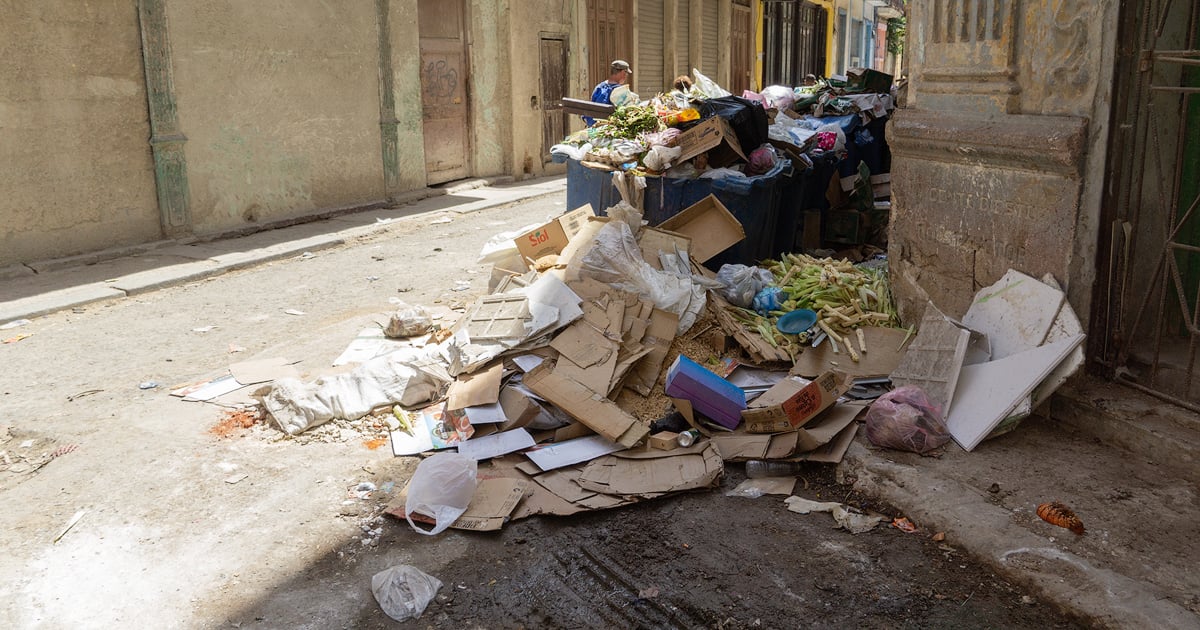
In terms of health, the text warns that every summer, diseases proliferate, worsened by the "unsanitary condition of the streets due to the accumulation of garbage dumps, poor storm drainage, and sewer systems, along with persistent issues with water supply."
The author notes that the causes are multiple: "external pressures" and "poor management within provinces and municipalities," but argues that the dangers are increasing: "the risk levels are rising, along with the variables that could lead a situation to reach its most severe and detrimental consequences."
The conclusion of the text is presented as a personal warning that implicitly places the responsibility for protection in the hands of the citizenry: “It is up to us to be more cautious, to look out for ourselves, to expose ourselves to the least amount of risks.” It concludes with: “Survivors must be like this.”
The publication of the article from Girón arrives amidst a precarious reality for many citizens in Cuba. In Matanzas, power outages exceed 22 hours in some circuits, as acknowledged by the electric company itself. The energy crisis extends across the entire island, with a national deficit approaching 1,800 MW, impacting basic services and the daily lives of millions of Cubans.
This is compounded by the deterioration of the healthcare system. In the town of Máximo Gómez, also in Matanzas, it has been reported that more than 70% of its residents are experiencing fever and vomiting without access to medication or diagnosis, while the lack of electricity worsens sanitary conditions. Meanwhile, the U.S. Embassy in Havana issued an alert due to the increase in cases of hepatitis A, attributed to water contamination and the accumulation of garbage.
The housing problem mentioned in the article has also been officially recognized. In the first quarter of 2025, the government only fulfilled 12.4% of the housing construction plan, and no consequences were announced for those responsible nor any concrete solutions.
The official press has addressed these issues on other recent occasions, such as in a photo report showing families cooking with firewood due to a lack of electricity and gas, or in texts where, despite the seriousness of the situation, it is recommended to face the crisis “with gratitude and an optimistic attitude”.
In this context, the article by Girón not only stands out for its analysis of the situation in Cuba but also for its final recommendation: that citizens take care of themselves in light of the lack of public guarantees. This is a tacit yet powerful admission that the country's ailments can no longer be masked.
Frequently Asked Questions about the Current Situation in Cuba
What is the state of infrastructure in Cuba according to Girón's article?
The Girón article describes a widespread structural deterioration in Cuba, highlighting issues such as accidents, collapses, automotive obsolescence, and a housing crisis. The infrastructure is aging and institutions are faltering, which increases risks for the population. The lack of maintenance and attention to basic needs contributes to this critical situation.
What problems does the healthcare system in Cuba face?
The healthcare system in Cuba faces numerous challenges, including unsanitary conditions in the streets due to the accumulation of garbage, poor drainage systems, and issues with water supply. The proliferation of diseases during the summer is a recurring problem, exacerbated by the lack of access to medications and adequate sanitary conditions.
How does the energy crisis affect daily life in Cuba?
The energy crisis in Cuba has led to blackouts exceeding 22 hours in some areas, affecting essential services and the daily lives of citizens. The national electricity deficit has reached 1,800 MW, resulting in prolonged power outages and worsening the precariousness of everyday life on the island.
What is the situation of the automotive fleet in Cuba according to the article?
The situation of the vehicle fleet in Cuba is critical, with outdated cars dating back several decades. Girón's article mentions that, despite the efforts of Cubans to keep them operational, automotive obsolescence is an unavoidable reality, and "the struggle ends when we can no longer extend their lifespan."
What measures does the article by Girón suggest in response to the crisis in Cuba?
The article by Girón concludes with a personal warning, suggesting that citizens must take care of themselves due to the lack of public guarantees. It emphasizes the need for citizens to be more cautious and to expose themselves to the least amount of risks possible, given the widespread deterioration and increasing dangers in the country.
Filed under: