
Related videos:
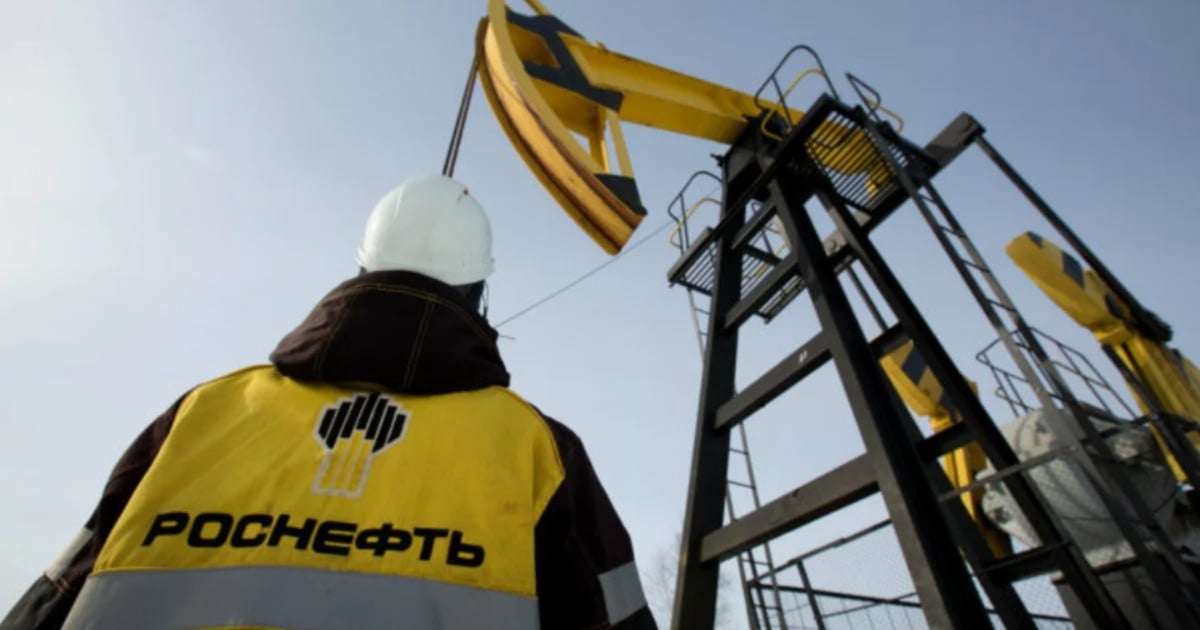
The United States Department of the Treasury announced this Wednesday new sanctions against Russia's energy sector which include the designation of Rosneft and Lukoil, the two largest oil companies in the country.
The measures aim to reduce the income that funds the war and pressure Moscow to agree to an immediate ceasefire in Ukraine.
Adopted by the Office of Foreign Assets Control (OFAC), the sanctions fall under Executive Order 14024.
The target companies, Rosneft and Lukoil, are designated for operating in the Russian energy sector; the action extends to multiple subsidiaries in Russia (including refineries and crude oil and gas producers) and also blocks all entities that are 50% or more owned, directly or indirectly, by these companies.
“Now is the time to halt the slaughter and implement an immediate ceasefire,” declared Treasury Secretary Scott Bessent, who stated that the Treasury is ready to take further action and encouraged U.S. allies to join in and adhere to the sanctions.
All assets and interests of the designated individuals are frozen under U.S. jurisdiction, and transactions by U.S. persons or entities are prohibited unless licensed by OFAC.
Foreign financial institutions that facilitate significant operations in favor of the Russian military-industrial base are subject to sanctions.
The Treasury justified the package by stating the "lack of serious commitment" from Russia to a peace process that would end the war.
According to the note, these measures “increase pressure on the energy sector” and aim to restrict the Kremlin's ability to generate revenue and sustain its war machinery in a context of a weakened economy.
The U.S. reiterated that it “will continue to advocate for a peaceful solution” and that lasting peace depends on Moscow's willingness to negotiate in good faith.
In addition to the matrices, OFAC designates key subsidiaries —such as refineries and oil and gas producers of Rosneft, and operations and technical developments of Lukoil— which blocks alternative marketing and financing routes.
The "50% rule" automatically extends the blockade to any entity that is predominantly controlled by the listed entities, even if it is not expressly designated.
Bessent outlined the measure as part of the Administration's effort to enforce a cessation of hostilities: the Treasury “is prepared to take further actions” and urges allies to align with the sanctions regime.
At the same time, the OFAC reminded that its goal is not to punish for the sake of punishment, but to change behaviors: individuals on the SDN List can request their removal if they comply with the law and demonstrate verifiable changes.
In the short term, greater friction is expected for Russian oil exports and financing, along with an increase in regulatory risk for energy operators and banks interacting with Russia's military-industrial base.
Washington made it clear that it can expand the list and strengthen measures if Moscow continues to refuse an immediate ceasefire.
This weekend, Zelensky arrived in Washington with hopes of securing long-range Tomahawk missiles and a renewed commitment to military support.
However, he left empty-handed and with the feeling that the White House has definitively shifted towards a position that favors the demands of the Kremlin.
Trump not only denied the delivery of arms but also insisted that Kiev should “accept reality” and hand over the Donbas “to save what remains of the country.”
Over the past year, Trump has maintained erratic rhetoric on the conflict, alternating between calculated empathy and strategic indifference.
Filed under: