
Related videos:
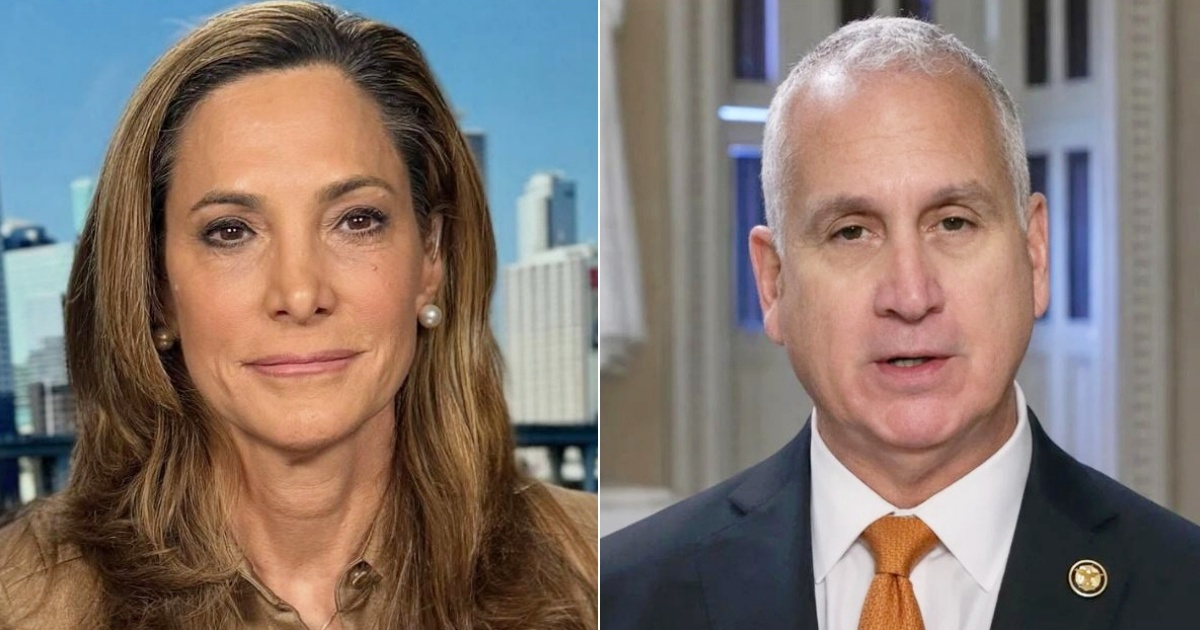
Republican congress members from South Florida, Mario Díaz-Balart and María Elvira Salazar, stated that any potential negotiation between the United States and Cuba must include the removal of the Castro family from power and the end of the current political regime on the island.
The statements come amid reports of possible contacts between Washington and Havana regarding a potential political change in the country, a possibility that both lawmakers assert would only make sense if it leads to the end of the system established by Castroism.
“The goal is for that regime to no longer exist. How is this achieved? We need to trust Secretary of State Marco Rubio, who is very clear on this”, stated Díaz-Balart in comments reported by Univision, referring to the role that the current head of U.S. diplomacy might play.
The congressman insisted that the goal of any conversation with Havana cannot be to sustain the regime, but rather to put an end to its hold on power.
“There is no confusion here: everyone knows who controls that regime; that regime must disappear; there are no negotiations to sustain that regime or give it oxygen”, he emphasized.
In the same vein, representative María Elvira Salazar stated that any potential contact with members of the Castro family would only be aimed at negotiating their departure.
"We cannot leave any Castro behind; here, the only time they are talking to a Castro is to discuss when they are leaving, how they will leave, what the conditions will be, but not for anyone to stay," he stated.
The words of both legislators reflect the stance that for years has been defended by sectors of the Cuban exile community and several politicians from South Florida, who believe that any negotiation with the Cuban government must lead to a political transition on the island.
Speculation about potential conversations between Washington and Havana intensified following recent statements by President Donald Trump, who confirmed that there are contacts related to Cuba's political future, although he did not provide specific details about their nature.
During an exchange with journalists, Trump was asked about the role that Secretary of State Marco Rubio could play in potential negotiations with the Cuban government. The president responded by suggesting that a political change on the island could occur in various ways.
"It could be a friendly takeover. It may not be a friendly takeover," he stated.
The president's statements raised new questions about the true extent of those conversations and whether any form of direct or indirect negotiations exists between Washington and Havana.
From the Cuban capital, however, regime spokespersons have repeatedly denied that there are any negotiations with the United States.
In the midst of these conflicting versions, the congress members from South Florida reiterated their support for the current administration's strategy towards Cuba and defended the political line advocated by Trump and Rubio.
Díaz-Balart insisted that the objective of any rapprochement must be clear and cannot involve concessions that would allow the regime to extend its hold on power.
"There are no negotiations here to sustain that regime in order to give it breathing room," the lawmaker reiterated.
The debate also coincides with the severe economic and energy crisis Cuba is facing, characterized by prolonged blackouts, fuel shortages, and an increasingly tense social situation on the island.
In this context, reports have emerged in recent weeks regarding possible international efforts aimed at alleviating the Cuban energy crisis, including initiatives that may involve sending fuel for humanitarian purposes.
For some U.S. lawmakers, however, such assistance could end up benefiting the state apparatus if clear conditions regarding its use are not established.
Díaz-Balart and Salazar acknowledged that they do not know how a potential political transition process in Cuba could be implemented, but they indicated that this scenario is being assessed within the current U.S. administration.
According to reports, decisions regarding any future strategy towards the island are being analyzed directly by President Trump and Secretary of State Marco Rubio.
In the opinion of the congress members, the combination of political pressure, international isolation, and internal economic crisis places the Cuban regime in one of its most fragile moments in recent decades.
For this reason, they believe that any conversation that occurs between Washington and Havana must result in a real change in power on the island and not the continuation of the current system.
Filed under: