
Related videos:
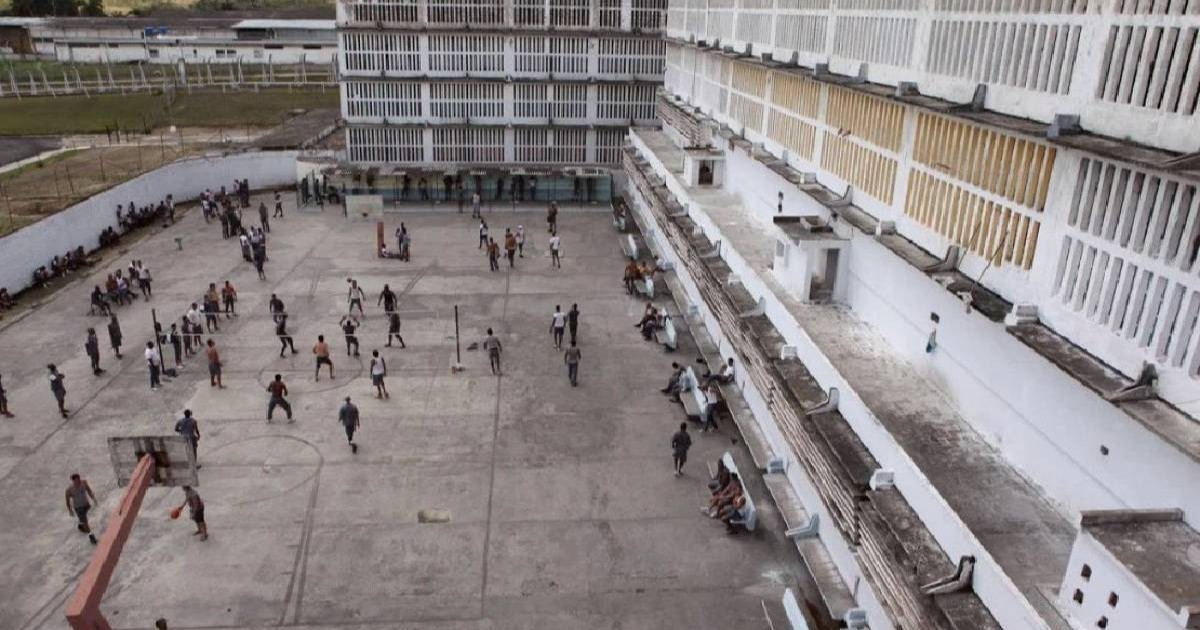
The Cuban regime announced on April 2 the pardon of 2,010 prisoners under the description of a "humanitarian and sovereign" gesture, but human rights organizations confirmed that no political prisoners were included among those released, emphasized the newspaper El Mundo.
Prisoners Defenders, the Cuban Observatory of Human Rights (OCDH) and Cubalex reviewed the initial verified releases—41 in Toledo 2 (Marianao), seven in Remedios, six in El Típico (Las Tunas), and four in Boniato (Santiago de Cuba)—and concluded that all were common prisoners, according to El País.
The key lies in the fine print of the decree: the pardon explicitly excludes those who committed "crimes against authority", a category that the regime systematically uses to imprison protesters, opponents, and critics.
Prisoners Defenders documented 1,214 political prisoners in Cuba at the end of February. None of them benefited from the announcement.
Javier Larrondo, president of the organization, explained to El Mundo the reasoning behind the announcement: "They did it to distract, to put pressure on Washington regarding the diplomatic route, to display an apparent weakness they do not have, or to generate empathy for a diplomatic solution. And, above all, to continue deceiving. They need time until the U.S. elections in November draw closer, also hoping that the difficulties in Iran will disrupt Trump's Cuban agenda. Those are their lifelines to remain in power."
The activist Anamely Ramos was more direct: "We are facing a propaganda spectacle. At the maximum-security prison in Guanajay, the artist and political prisoner Luis Manuel Otero Alcántara is entering his sixth day of hunger strike today, demanding his freedom and the freedom of everyone and of Cuba. And he is not the only one. In Morón, there are at least four minors detained due to the protests that occurred on March 13."
In the case of Otero Alcántara, leader of the San Isidro Movement, he began a total hunger strike on March 30 in protest against death threats received from officers of Department 21 of State Security.
He was arrested on July 11, 2021 and sentenced to five years; his sentence ends in July 2026, and he fears it will be extended.
Among the most notable cases is that of Jonathan Muir Burgos, 16 years old, arrested in Morón after participating in the protests on March 13 against power outages.
Cuba Decide, led by Rosa María Payá, reported that the minor was irregularly transferred from the Technical Investigations Department to the Canaleta prison, despite his age.
The American senator Rick Scott was emphatic in his assessment of the pardon: "Not a SINGLE political prisoner has been released".
Filed under: