
Related videos:
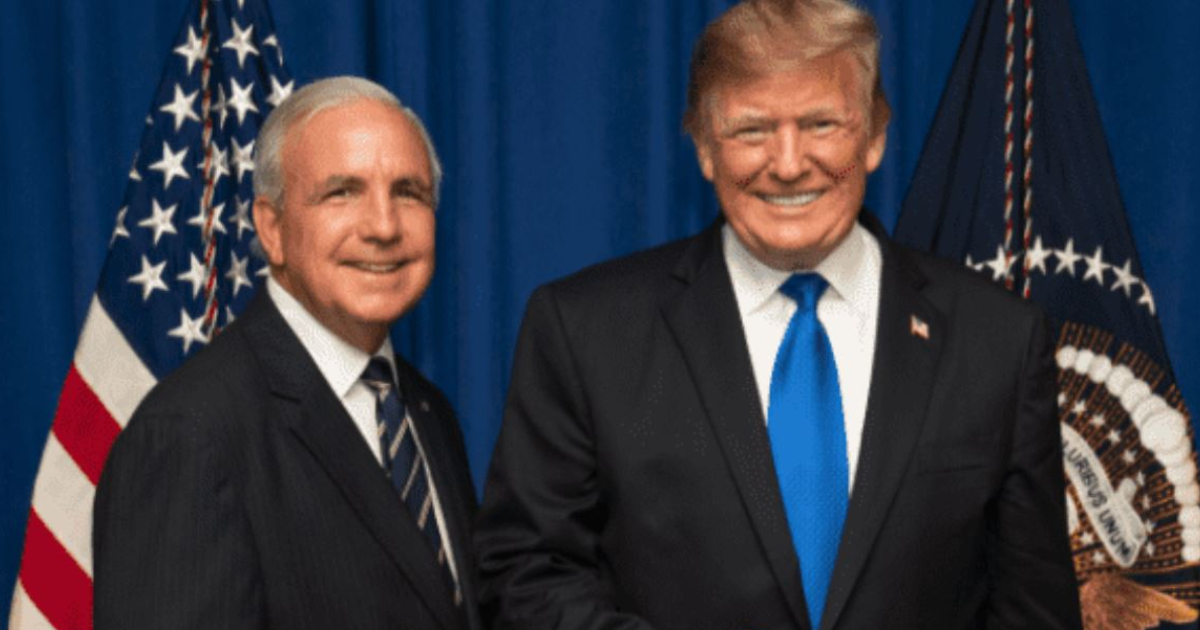
The Republican congressman Carlos A. Giménez posted a message on X (Twitter) this Thursday with the hashtag #SOSCuba to express his support for the young Cubans who have taken to the streets to demand their rights on the island. “ALL OUR SUPPORT FOR THE BRAVE YOUNG PEOPLE DEMANDING THEIR RIGHTS IN CUBA!”, wrote the lawmaker, whose post garnered more than 1,300 likes and 285 reposts.
The message arrives days after between 20 and 30 students held a peaceful sit-in on the steps of the University of Havana last Monday to protest the prolonged blackouts and unsustainable academic conditions. The protest, organized through social media, began at 10:00 AM with a lone young person sitting on the first step and grew over nearly two hours in the presence of State Security agents.
The magnitude of the discontent forced the Deputy Minister of Higher Education, Modesto Ricardo Gómez, as well as Rector Miriam Nicado García and Minister Walter Baluja, to intervene. The students directly called them out: “You haven't listened to us from the very beginning.” One of the protesters challenged a dean with a question that summarized the widespread frustration: “How many hours of electricity did you have last week? And do you have a connection when they cut off the power?”
Student unrest also spread to CUJAE and UCI, and the streets of Havana were filled with noise from pots and pans with slogans such as "Down with communism!" The regime, for its part, filled a nearby park with children to block a meeting about university reforms called by the students themselves.
The trigger for the protests was the severe energy crisis that worsened on March 5, when a failure at the Antonio Guiteras thermoelectric power plant left two-thirds of Cuba without electricity, affecting more than six million people. The authorities suspended classes for 300,000 students in Havana. By Tuesday, the capital was experiencing power cuts of up to 21 hours daily, with a projected deficit of nearly 1,900 MW.
Giménez, born in Havana in 1954 and emigrated to the United States in 1960, is the only member of Congress born in Cuba. He has been intensifying his pressure against the regime for weeks, in line with the policies of the Trump administration. Last Saturday, at an event preceding the Shield of the Americas summit in Doral, he stated: “The days of the regime are numbered, and I am not talking about years, but about days”. In February, he urged airlines like American Airlines to suspend flights to Cuba and published in Fox News that the island is reaching its “Berlin Wall moment”.
The students who participated in the sit-in described their action as a last resort. “We are not martyrs for any side; we are university students. Therefore, none of us intended to be here, but there has been no other option,” stated one of the demonstrators, according to El Toque. The youth discontent had been brewing even earlier: in February, students from the Instituto Superior de Arte had already raised their voices with slogans like “I AM FREE” and “is this a revolution for you?”
In recent months, several young Cubans who openly criticize the regime have reported facing pressure, smear campaigns, and harassment from State Security. Members of the Fuera de la Caja project, a collective of young people who publish analyses and commentary on the political and social situation in Cuba, reported that State Security agents visited their homes to intimidate them due to their critical content. Days later, the group publicly responded to the offensive from the official apparatus, defending their right to express opinions and dissent after being attacked on the official program Con Filo.
Also the influencer and activist Anna Bensi, one of the most visible young voices against the regime on social media, has reported campaigns of phone harassment, surveillance, and pressures that have even affected her work after she publicly expressed her criticisms of the Cuban political system. The young woman once again found herself at the center of the debate with a strong criticism of the regime in a viral video, after her case had already caught the attention of international media for the harassment she claims to be enduring.
Other young people have also suffered reprisals for expressing their ideas. In early February, CiberCuba reported the detention of members of the El4tico project and the climate of intimidation surrounding their case, while activists and content creators insisted that having different thoughts cannot become a crime amid new reports of repression and harassment.
For many activists, these episodes reflect an increasingly visible pattern: a new generation of Cubans is using the internet and social media to expose the realities of the country, while facing surveillance, interrogations, threats, and other forms of pressure from State Security.
Filed under: